Great Stages Gala 2026: Supporting the Future of the Arts in Philadelphia
There are nights in Philadelphia that feel bigger than the moment itself.

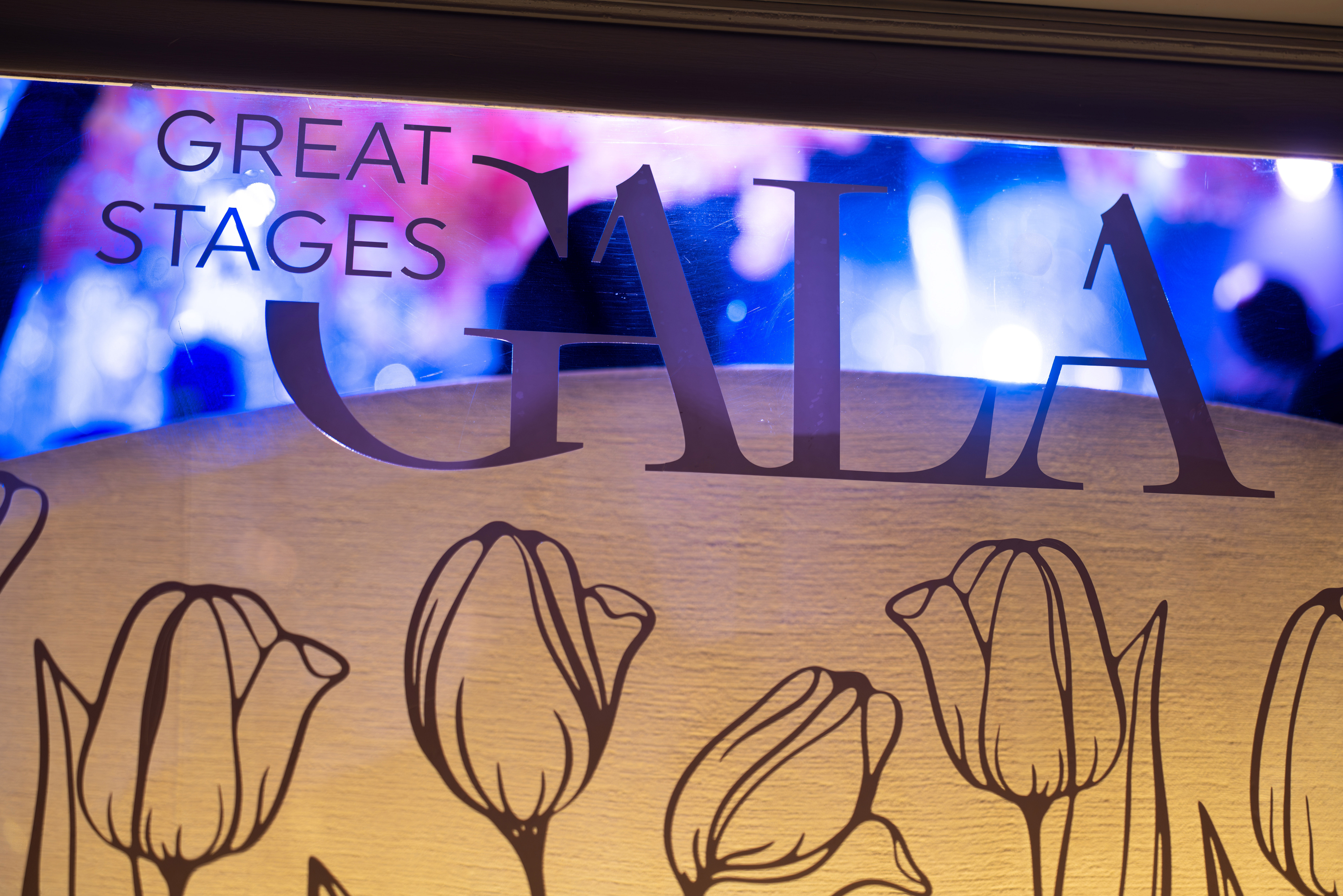
The Great Stages Gala, held on April 10, 2026, was one of them.
Bringing together Philadelphia’s cultural and philanthropic community in support of Ensemble Arts Philly and The Philadelphia Orchestra—their shared mission to sustain world-class performance, expand access to arts education, and preserve the city’s most important cultural spaces.
But what set the night apart wasn’t just its purpose.
It was how seamlessly that purpose was carried through the experience.
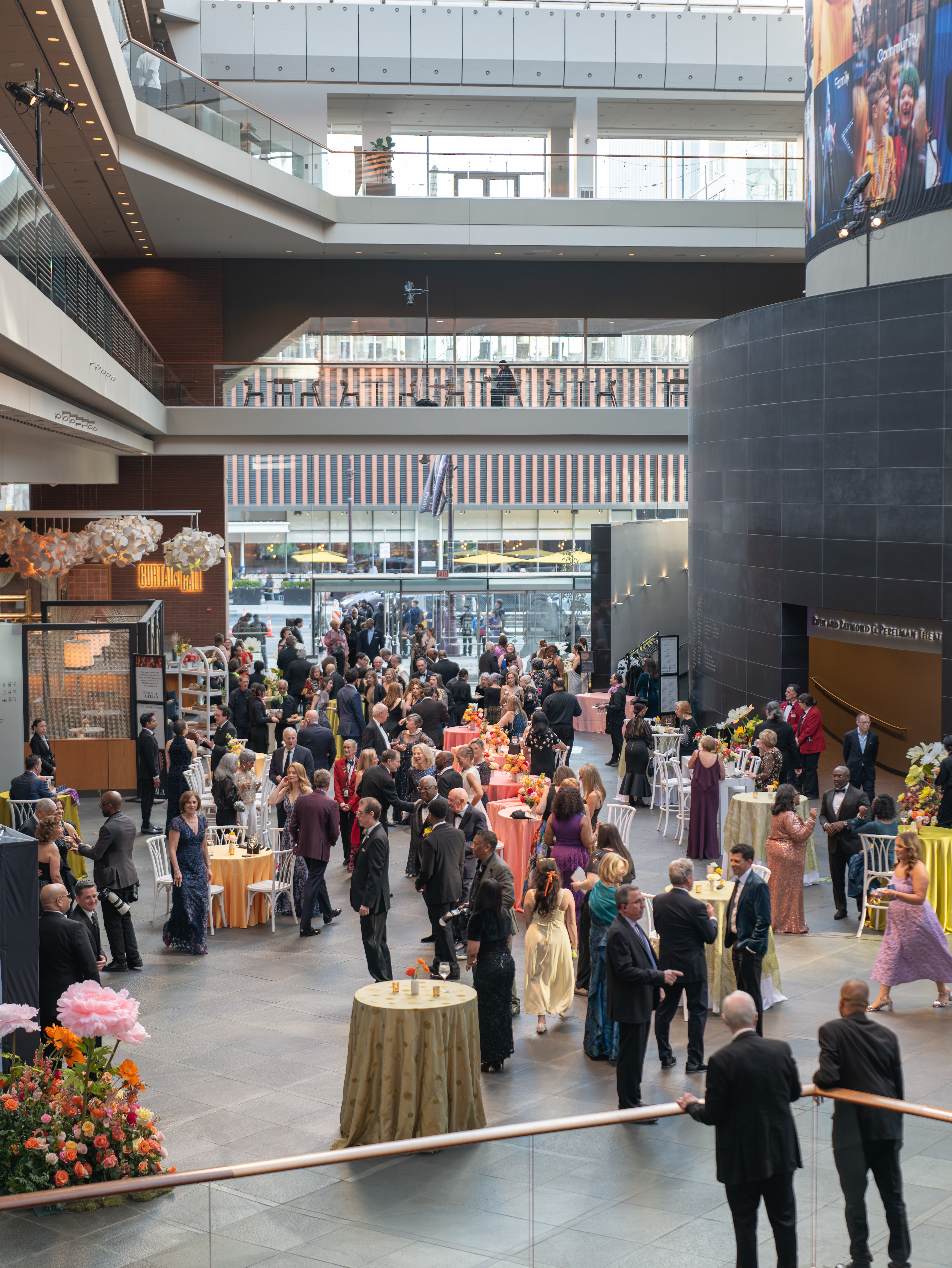
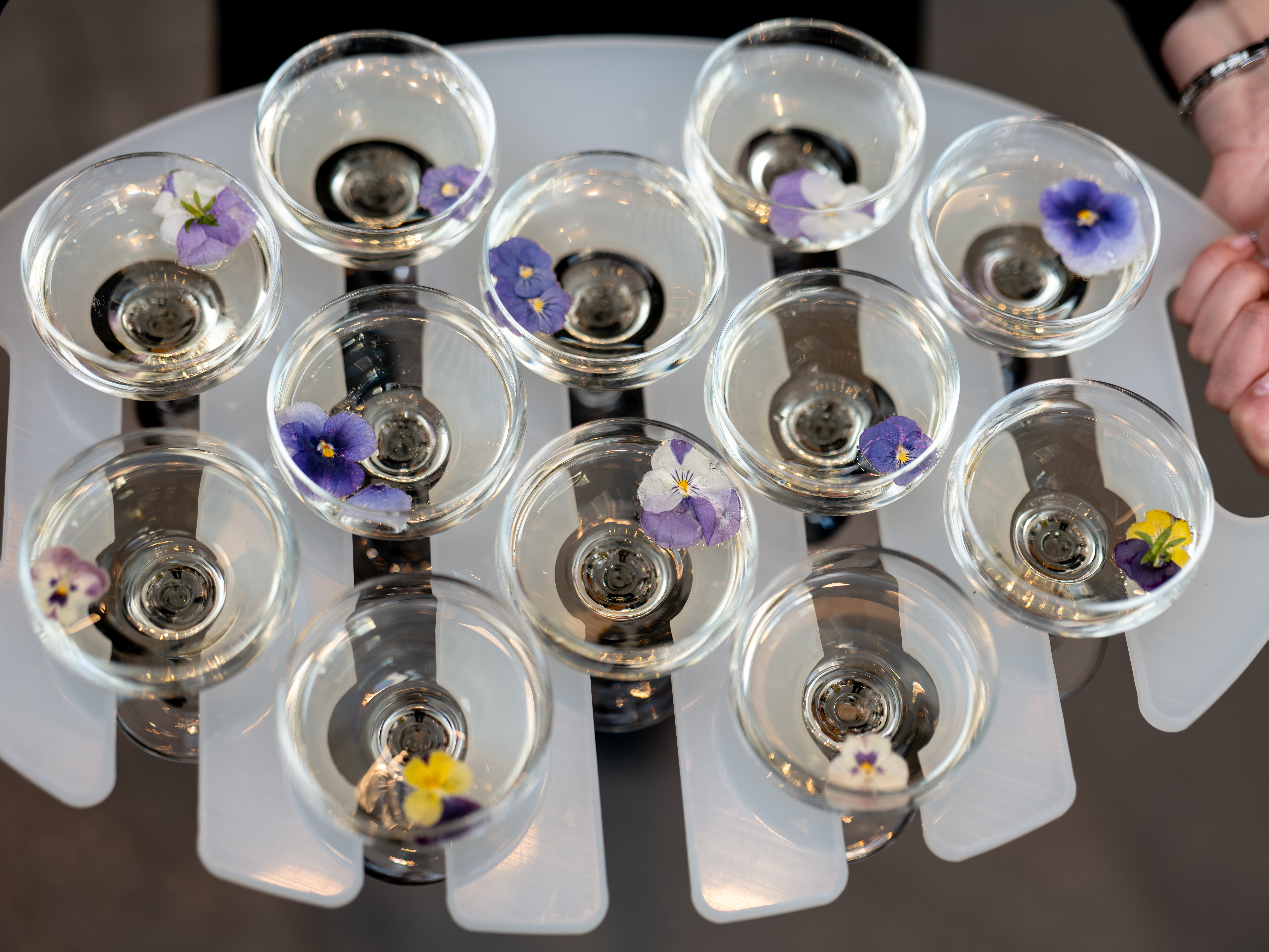
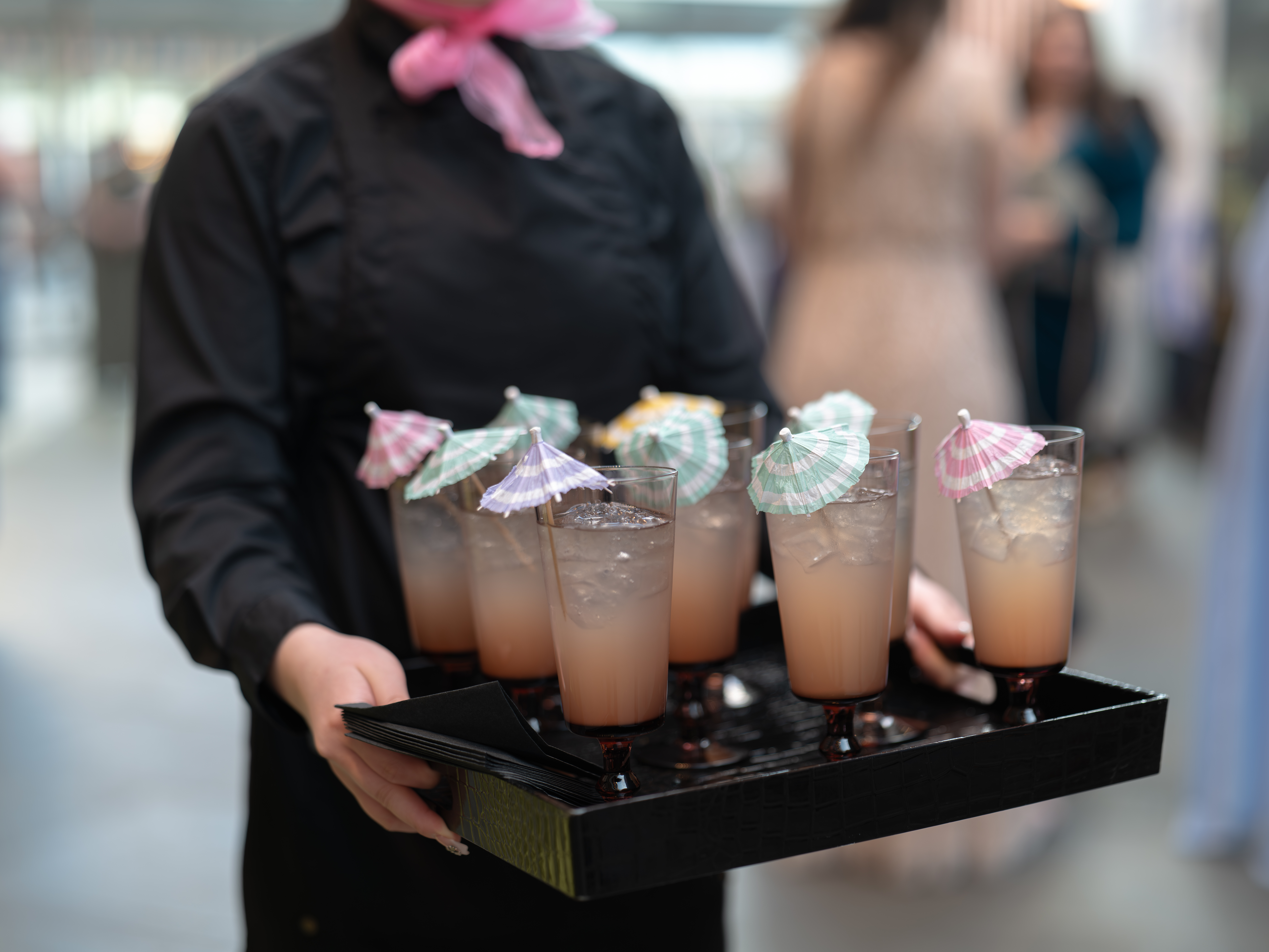
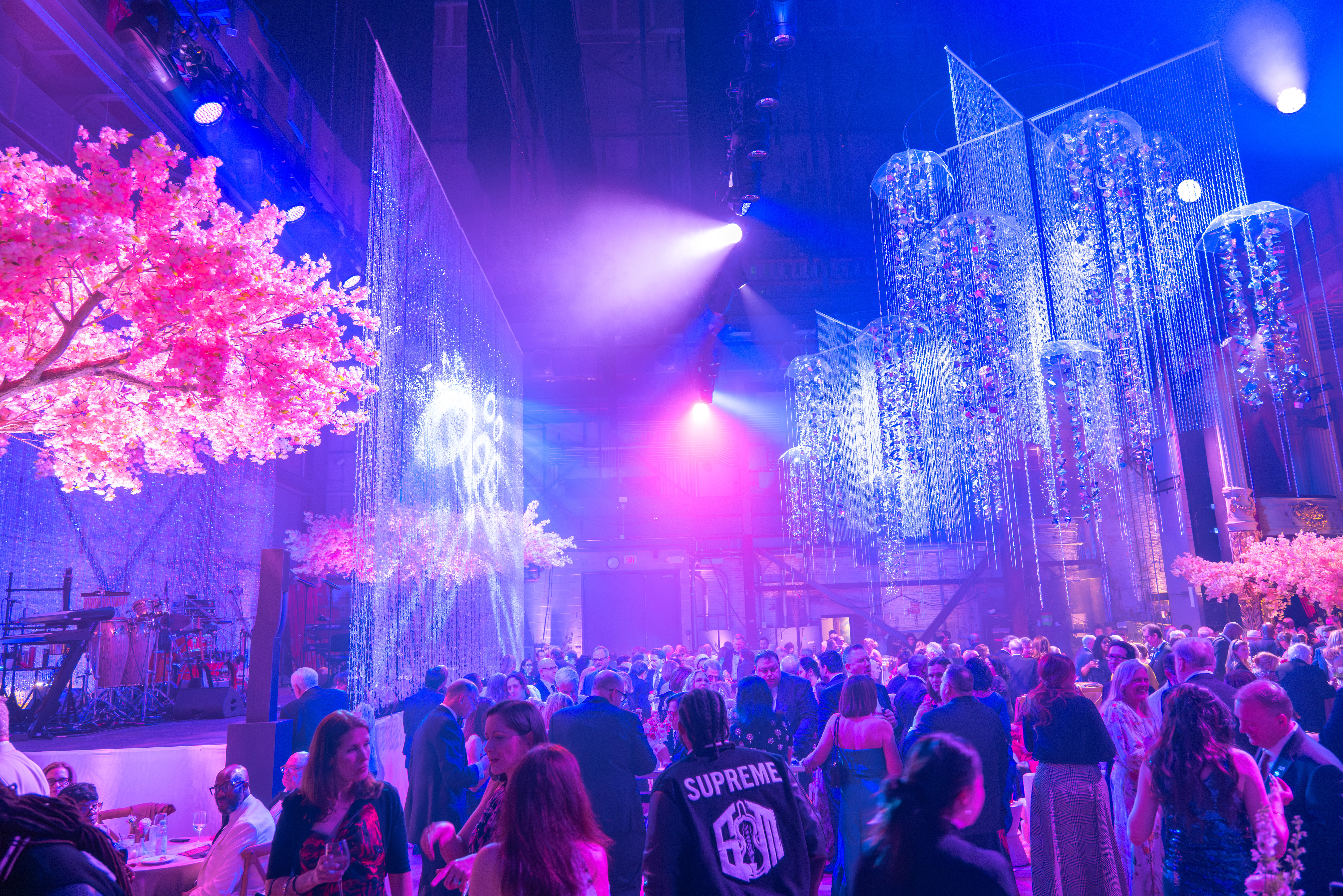
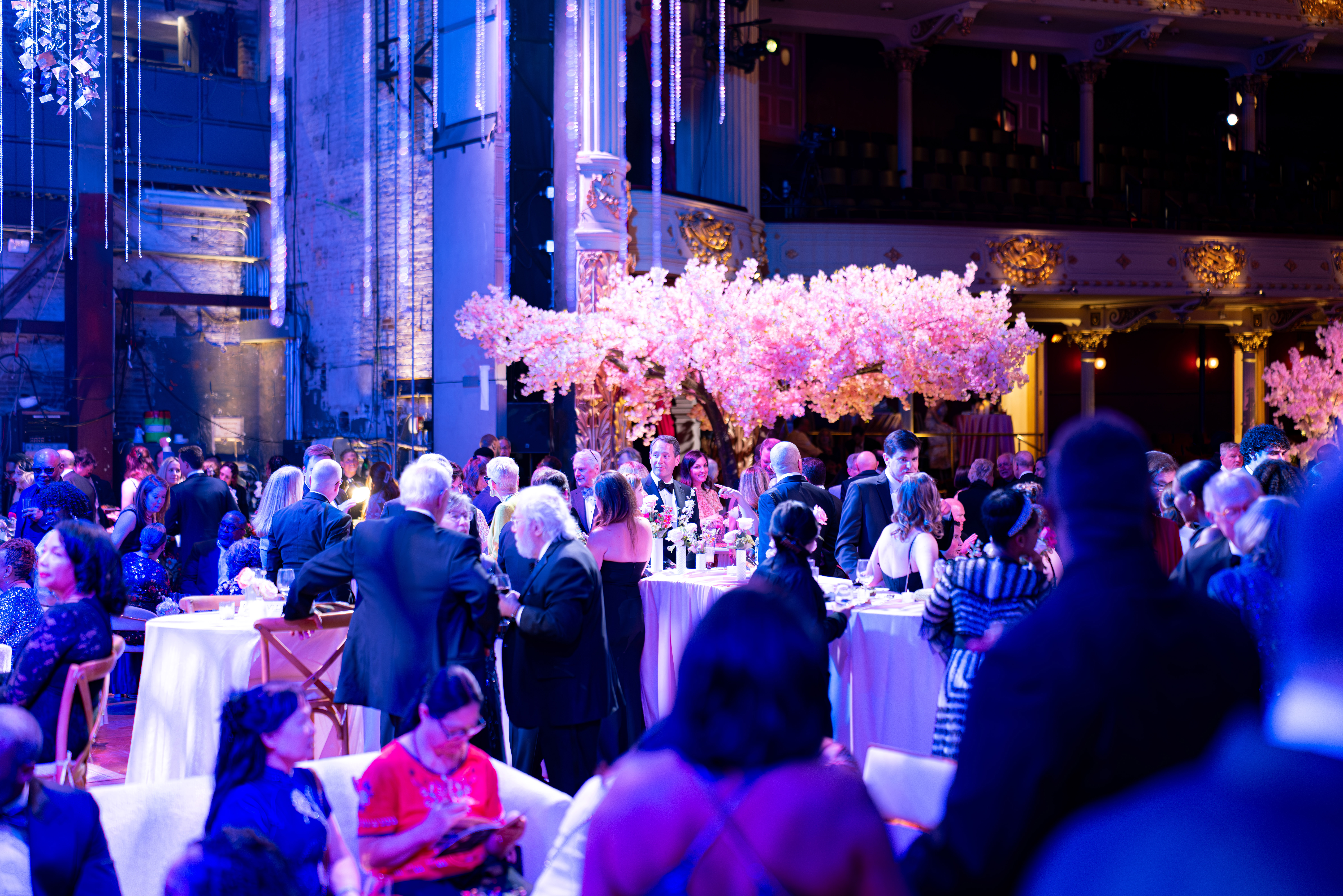
From the outset, the tone was clear—welcoming, elevated, and intentionally fluid. Guests arrived into Commonwealth Plaza and were immediately met with a rhythm of service that never asked them to stop. Cocktails moved quickly. Wines were heavily passed. A specialty cocktail—Love Train Punch, layered with rosé, peach, citrus, and sparkling wine—set a seasonal, celebratory tone without slowing the room.
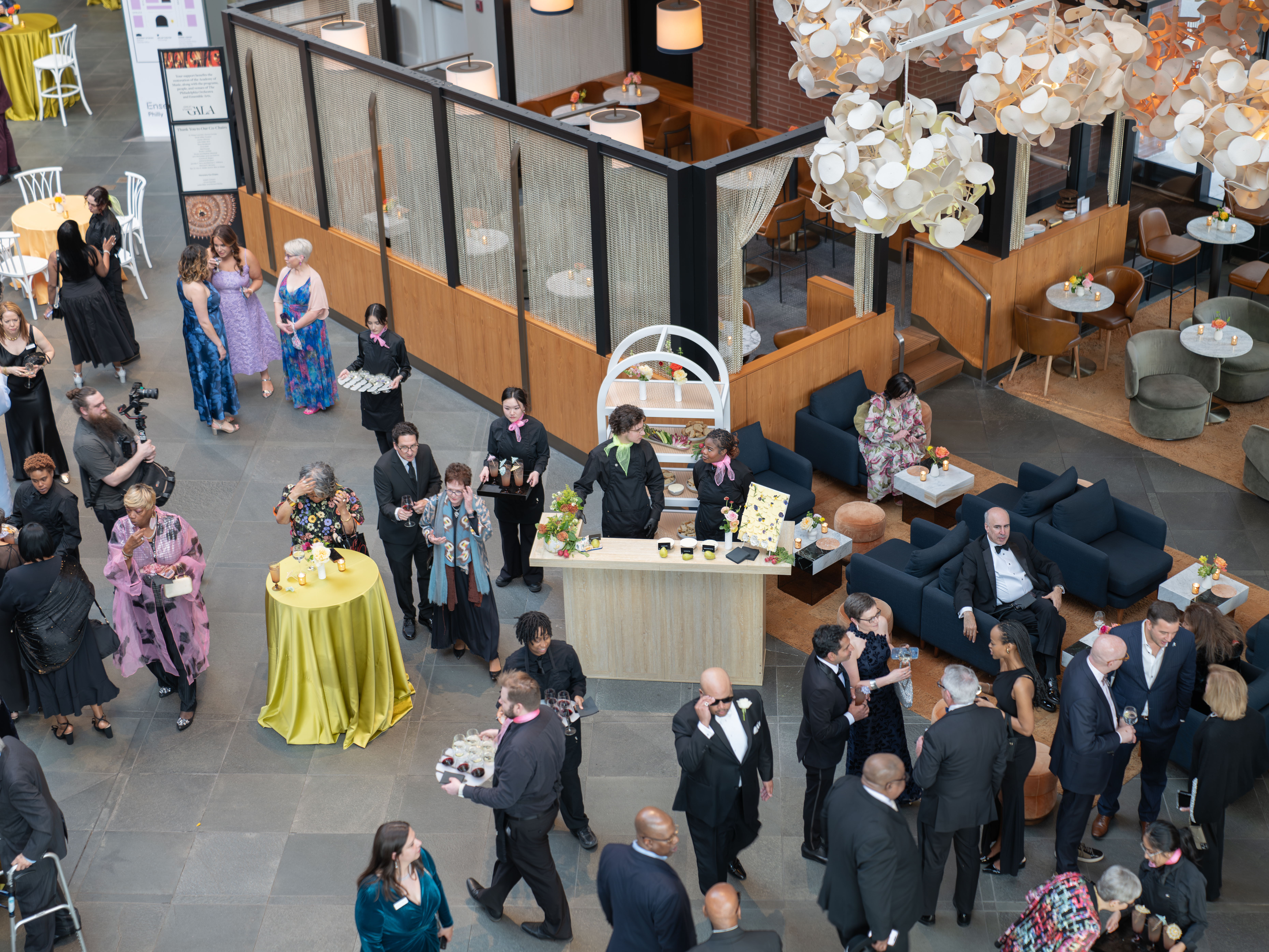
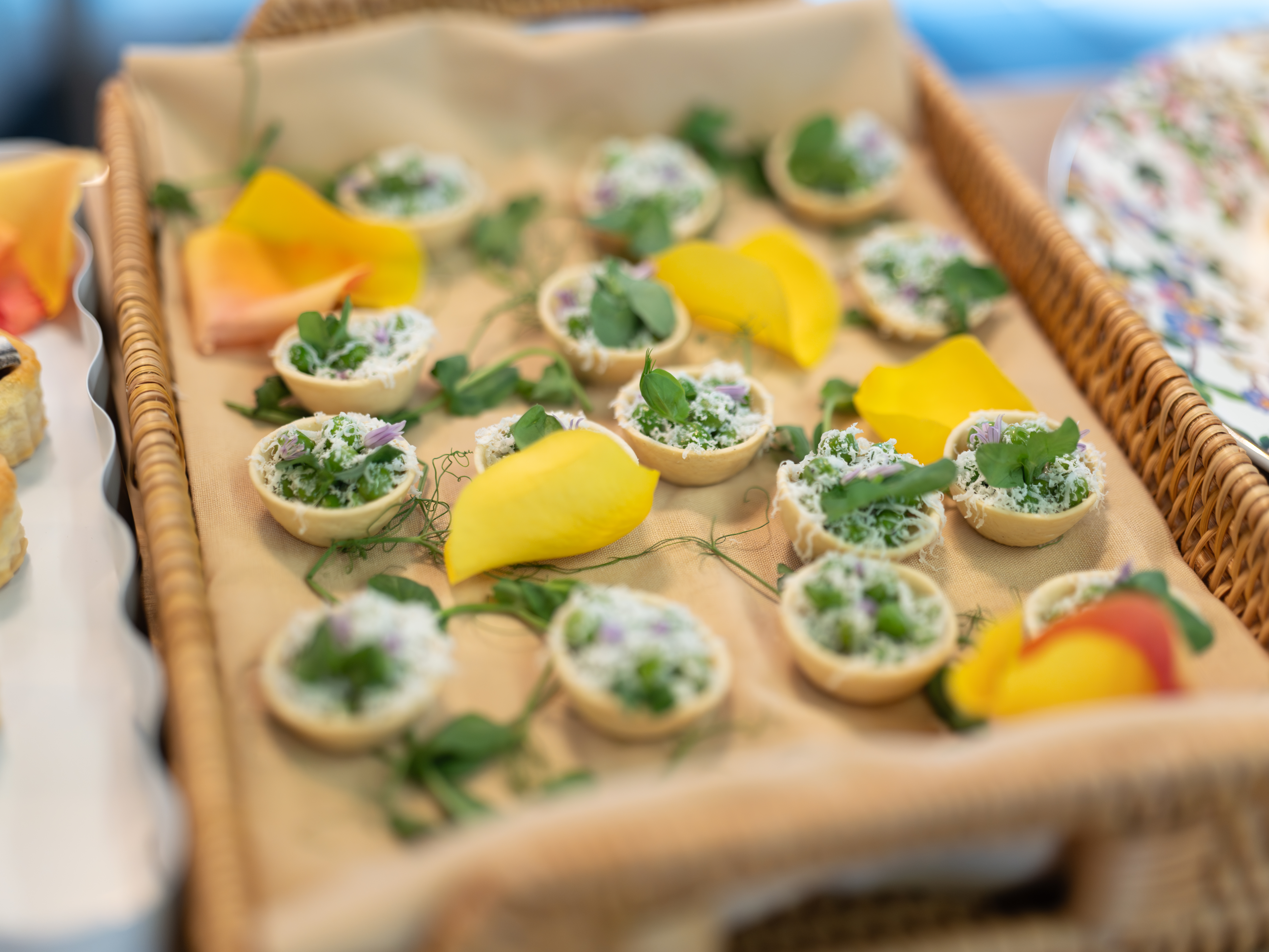
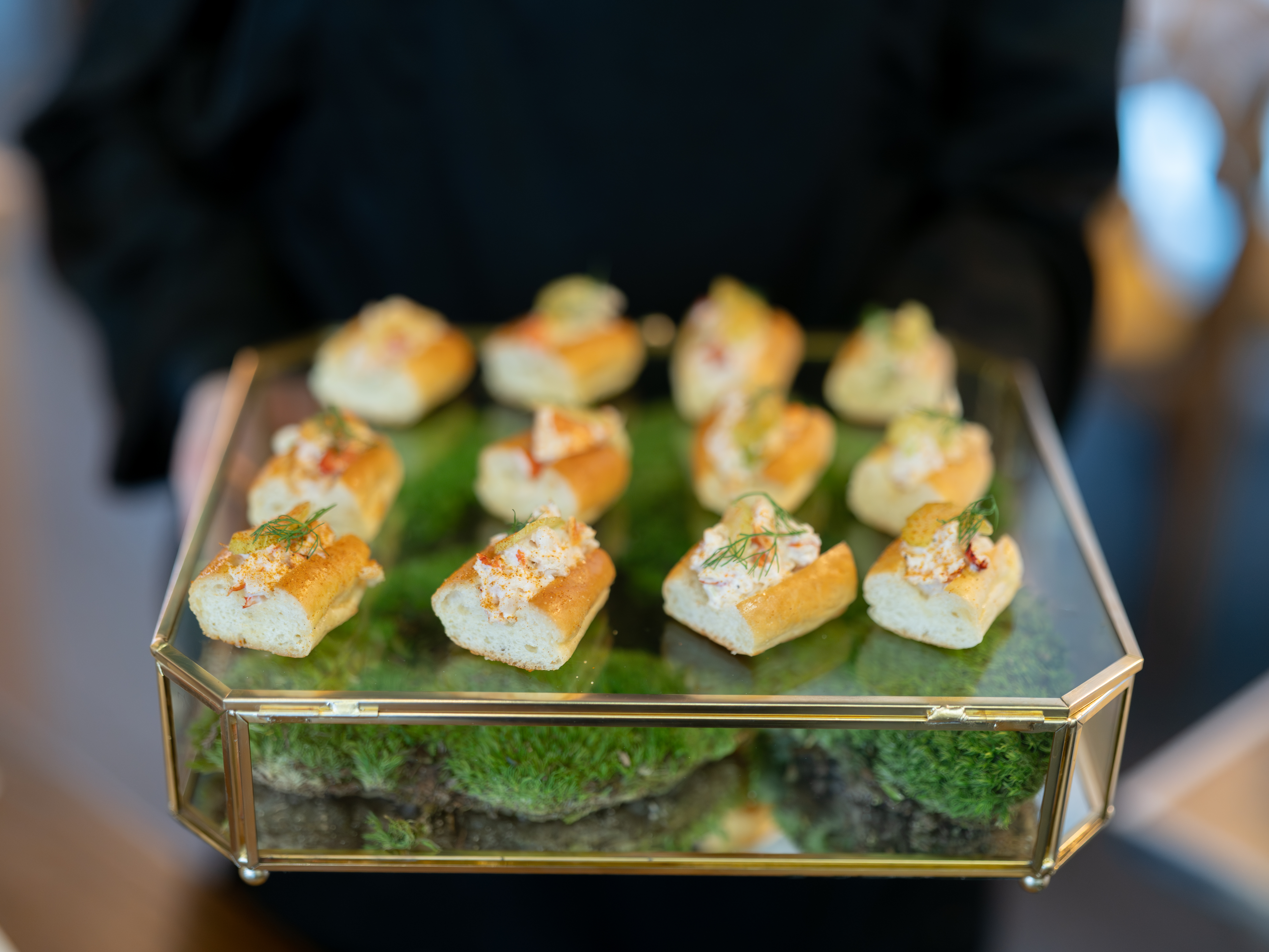
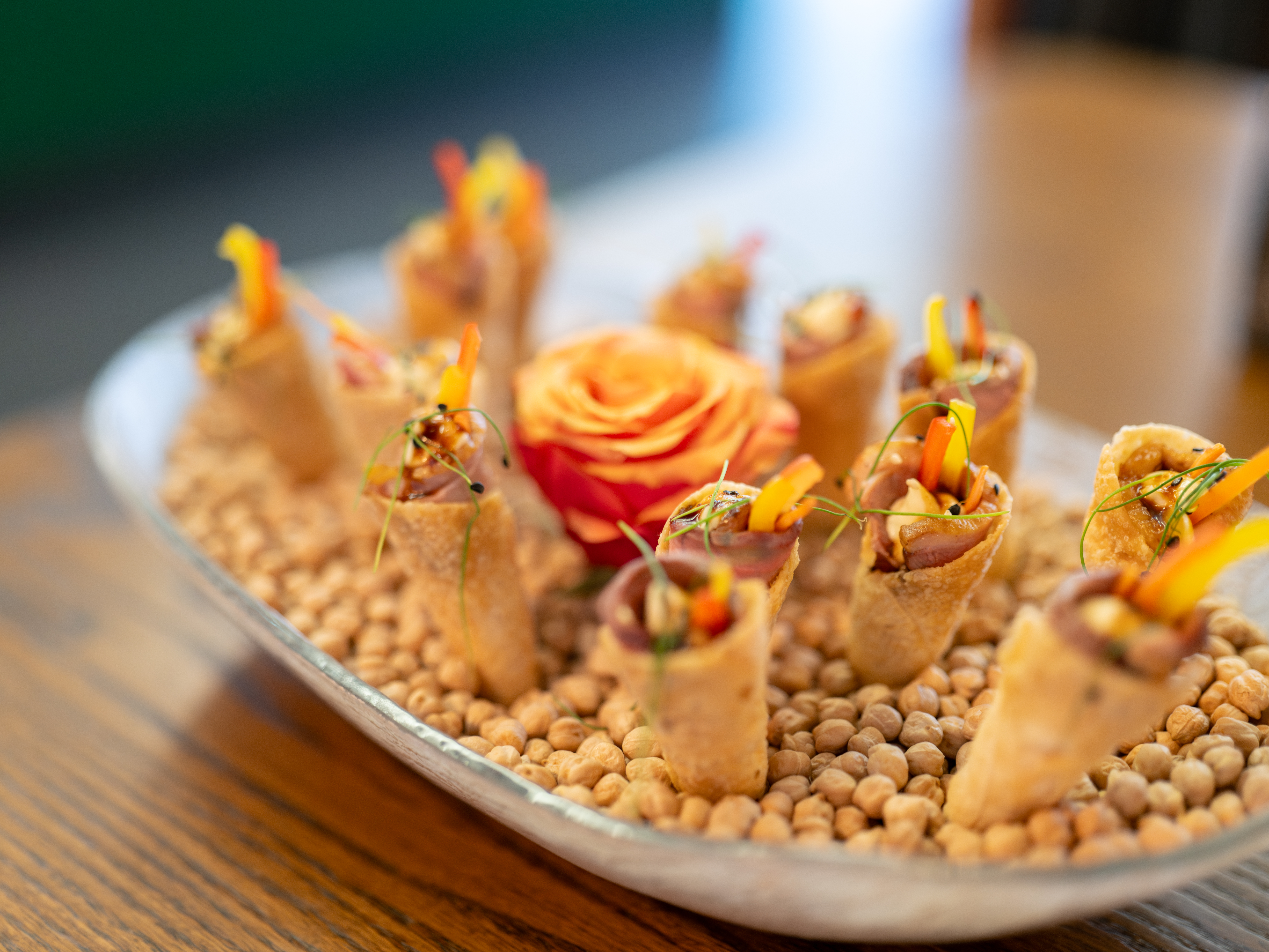
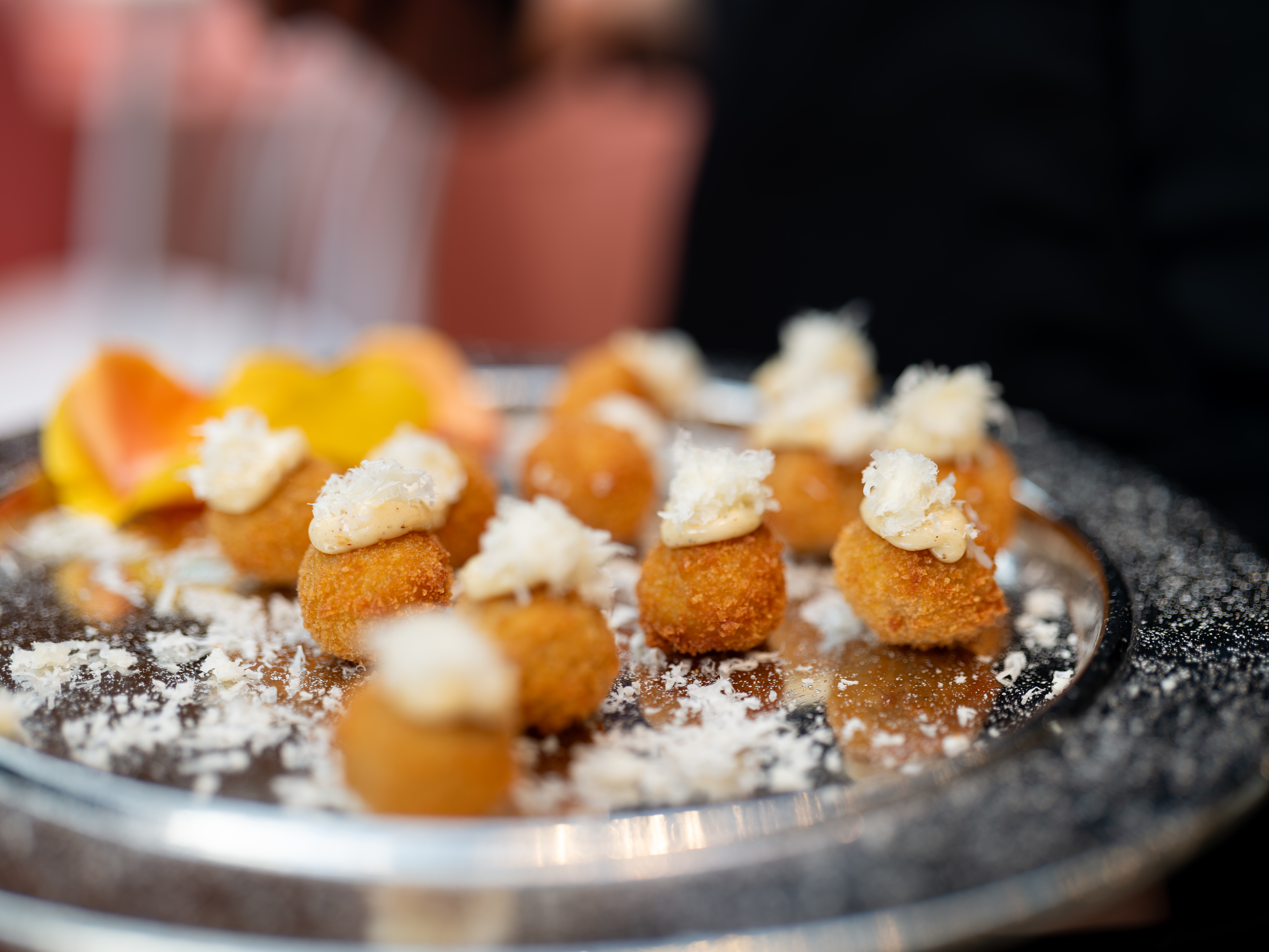
At the same time, a curated selection of butlered canapés moved with precision through the space—Arancini Cacio e Pepe, Maine Lobster Salad on brioche, Hoisin Glazed Duck in crisp wonton cones—each one designed to be taken in stride, not interrupt it.
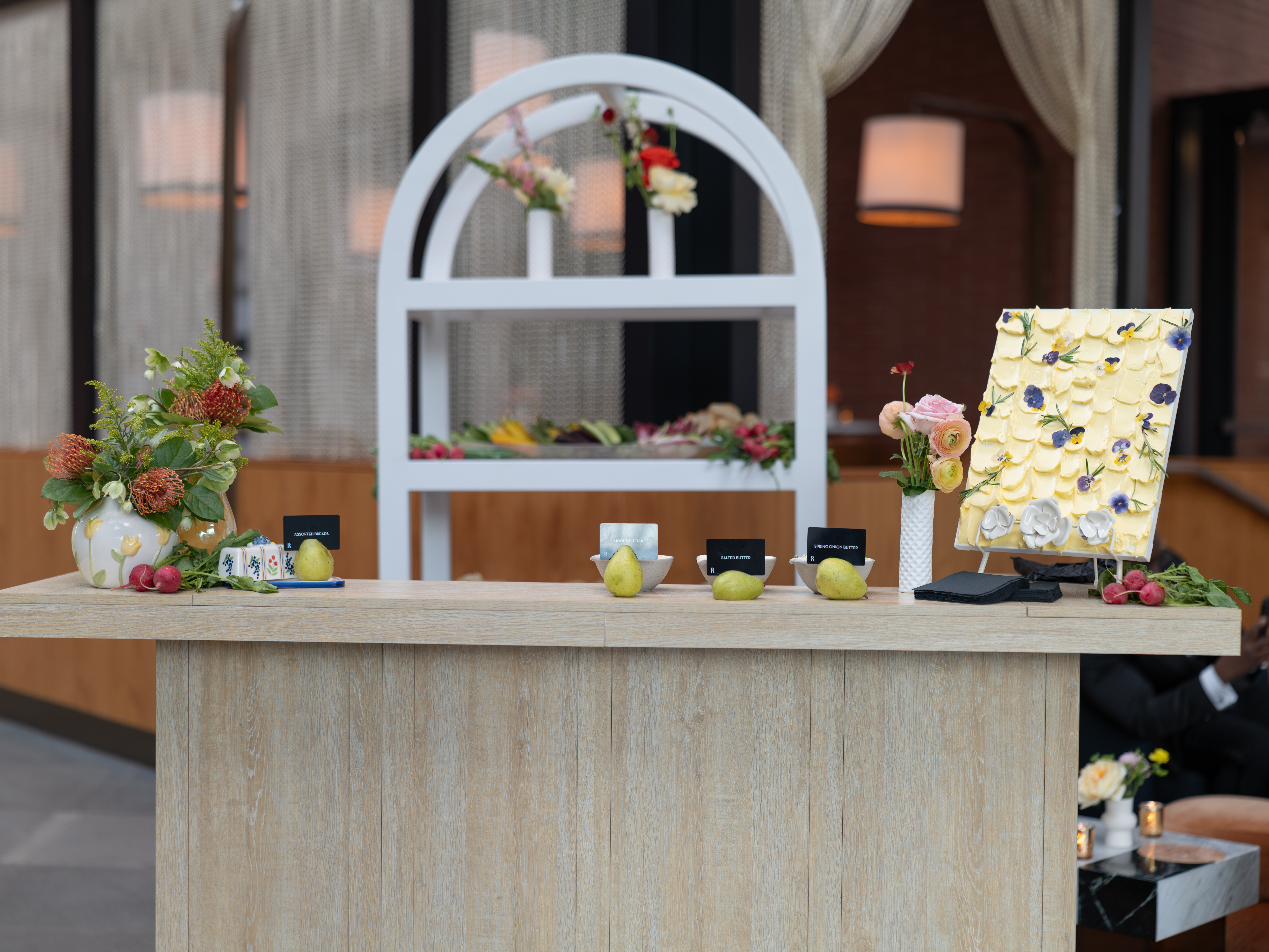
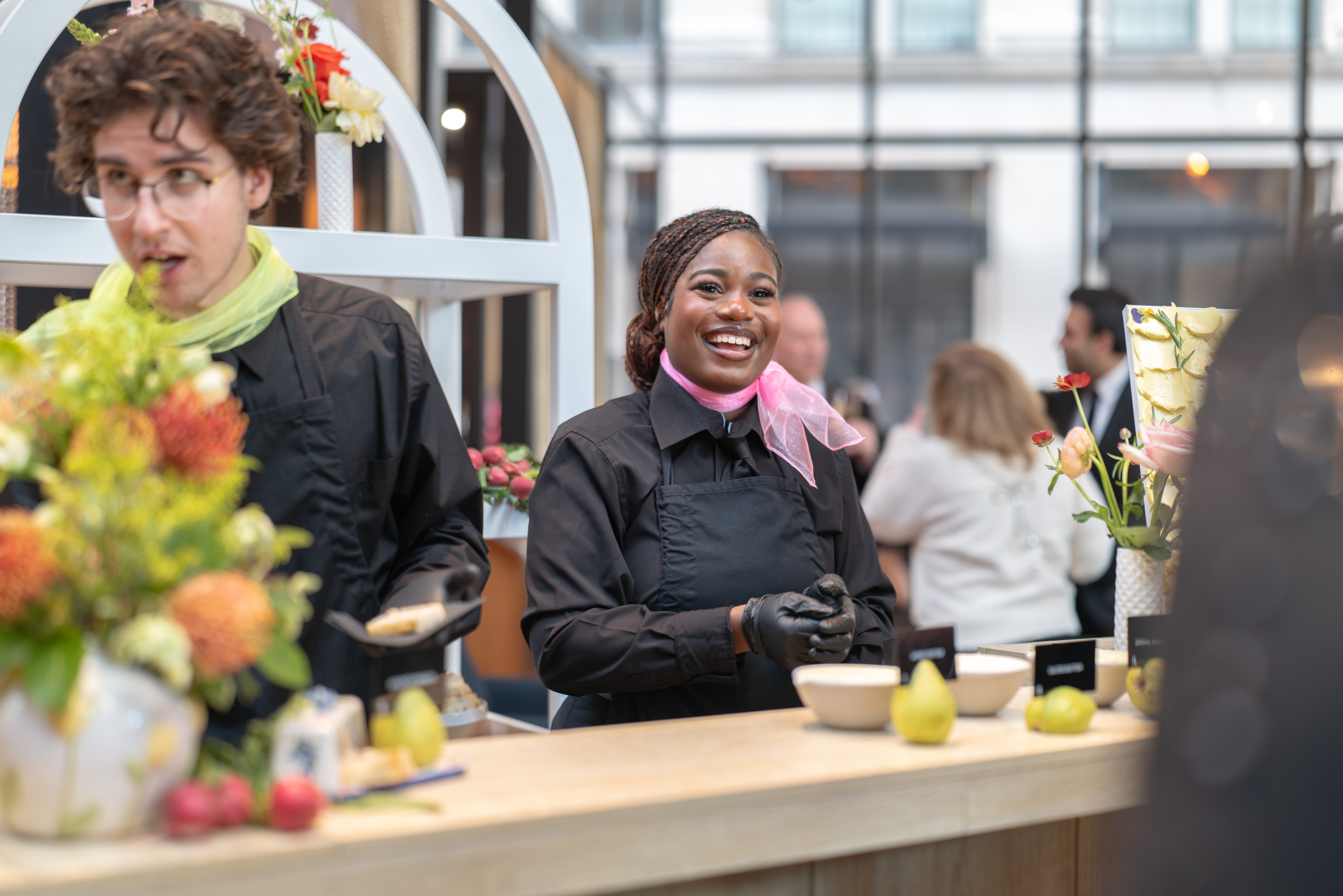
At the center of the reception, the Bread and Butter Bar became its own moment—assorted breads, honey butter, salted butter, spring onion butter—simple in concept, but executed with just enough presence to draw guests in without pulling them away.
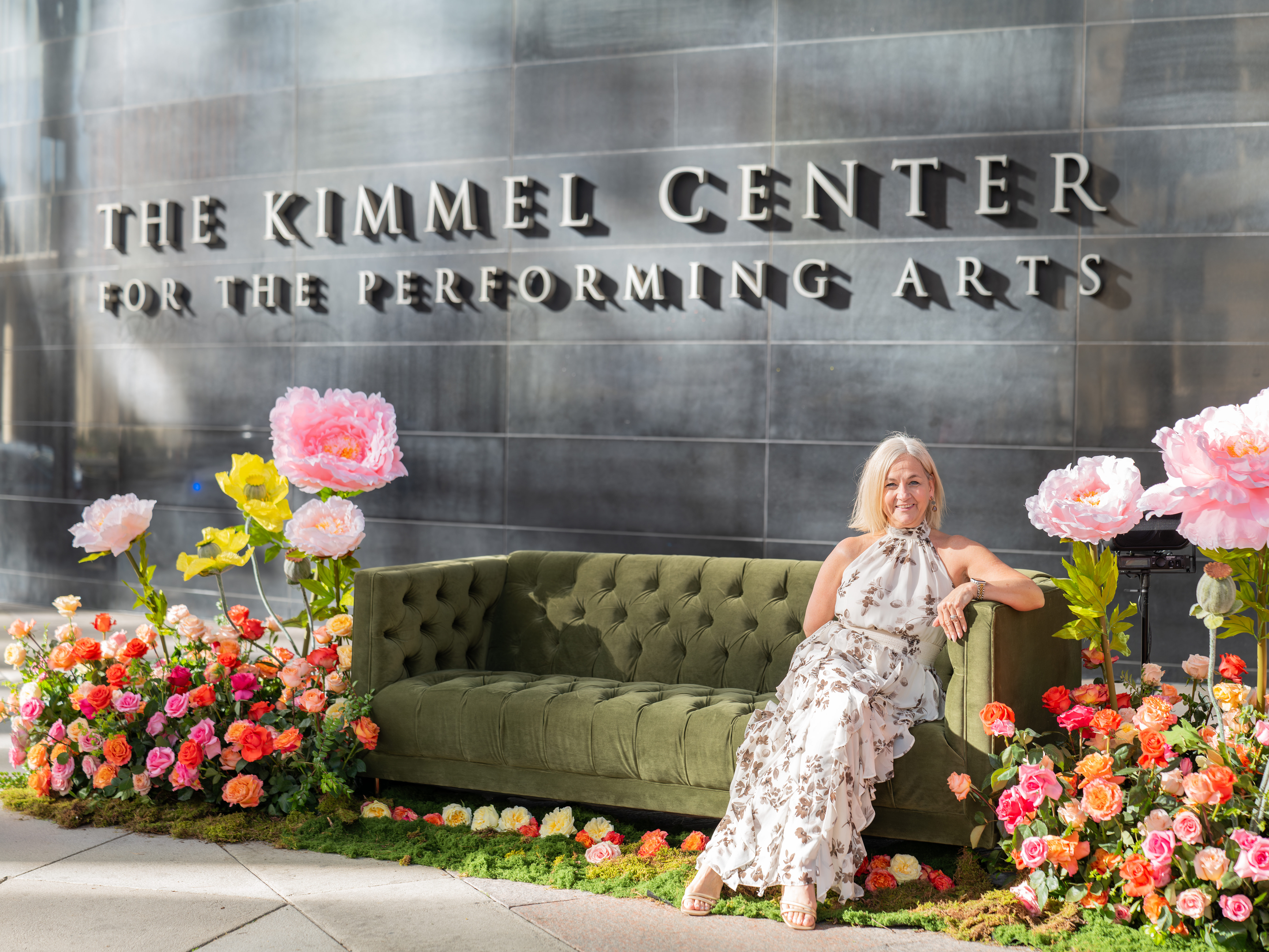
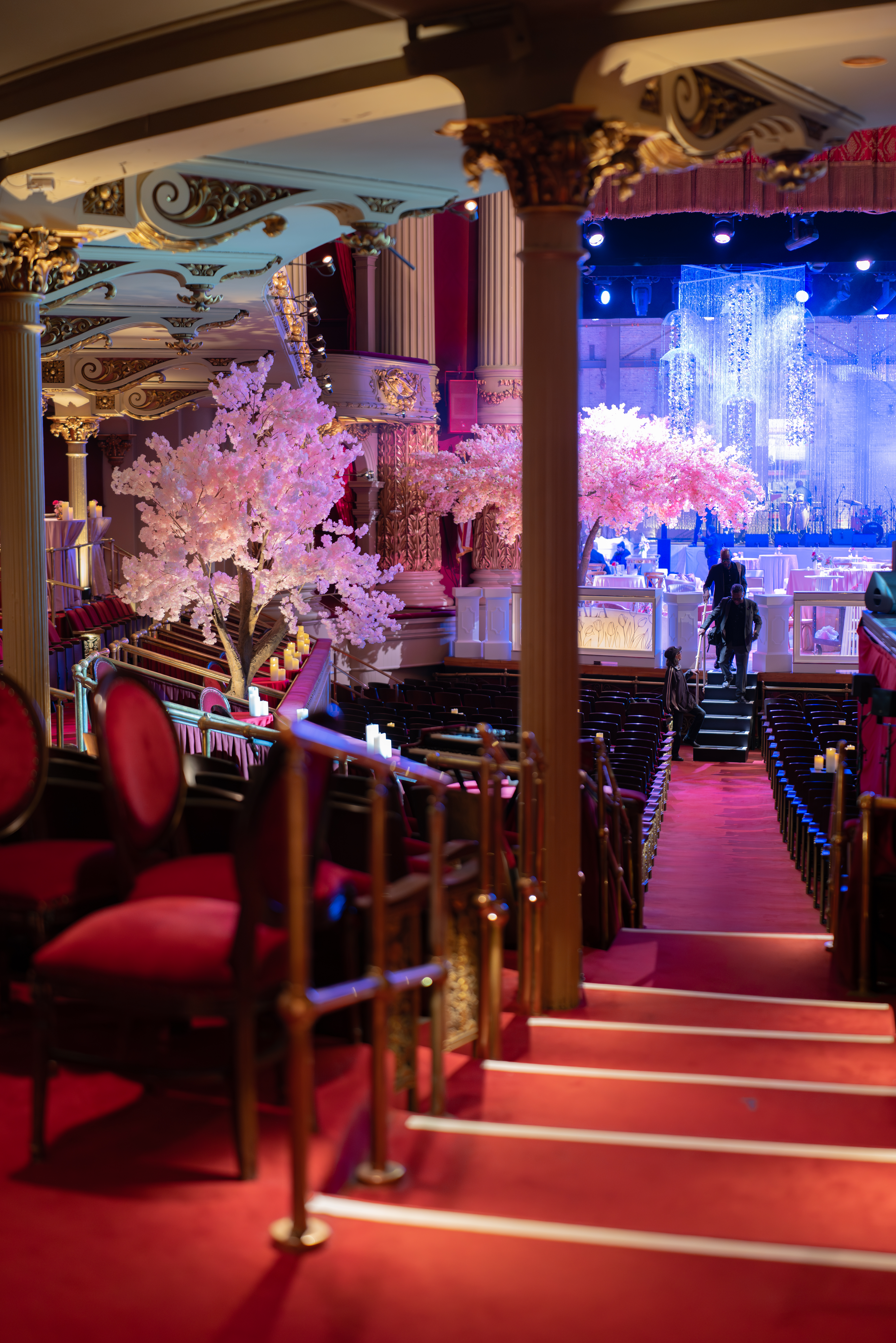
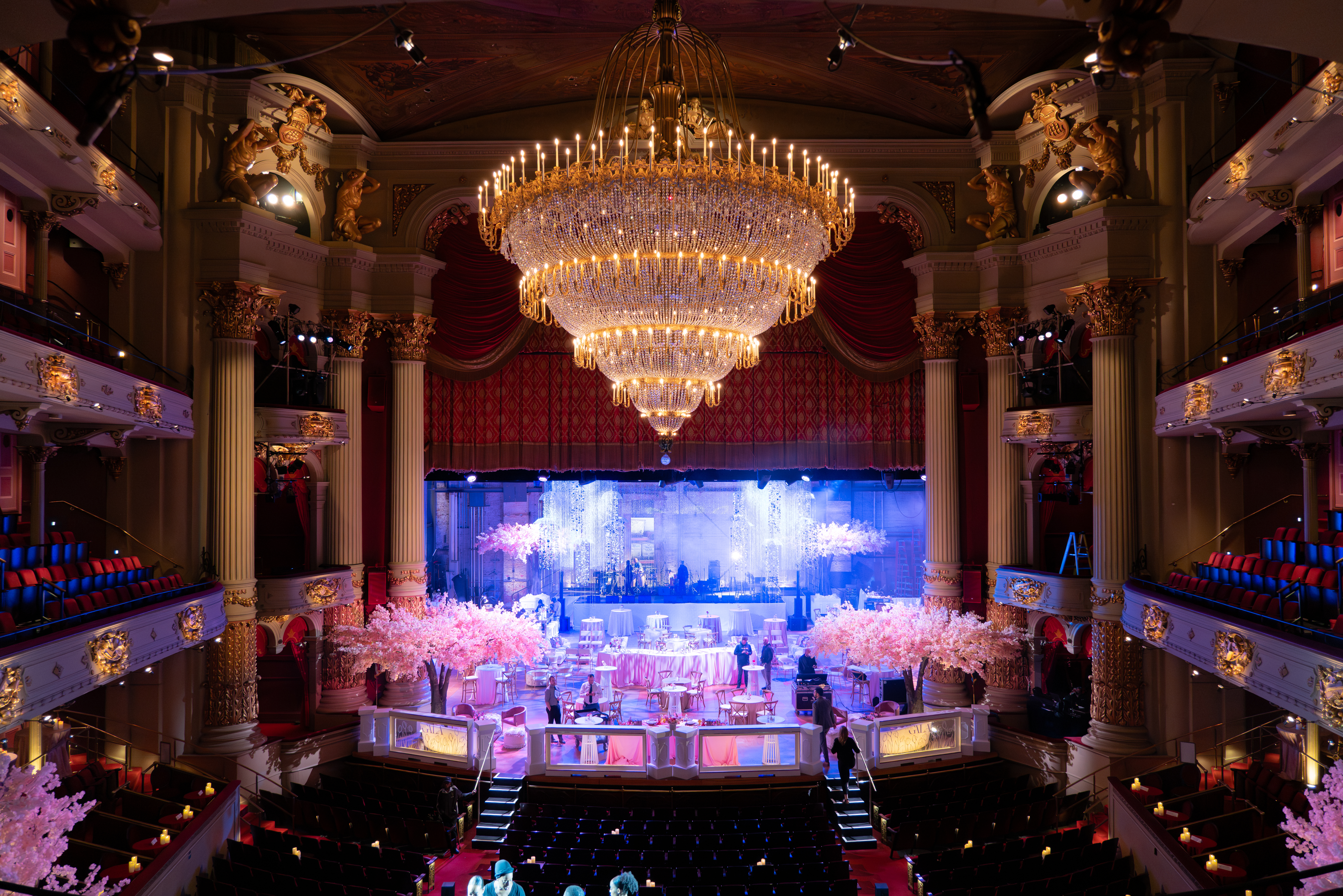
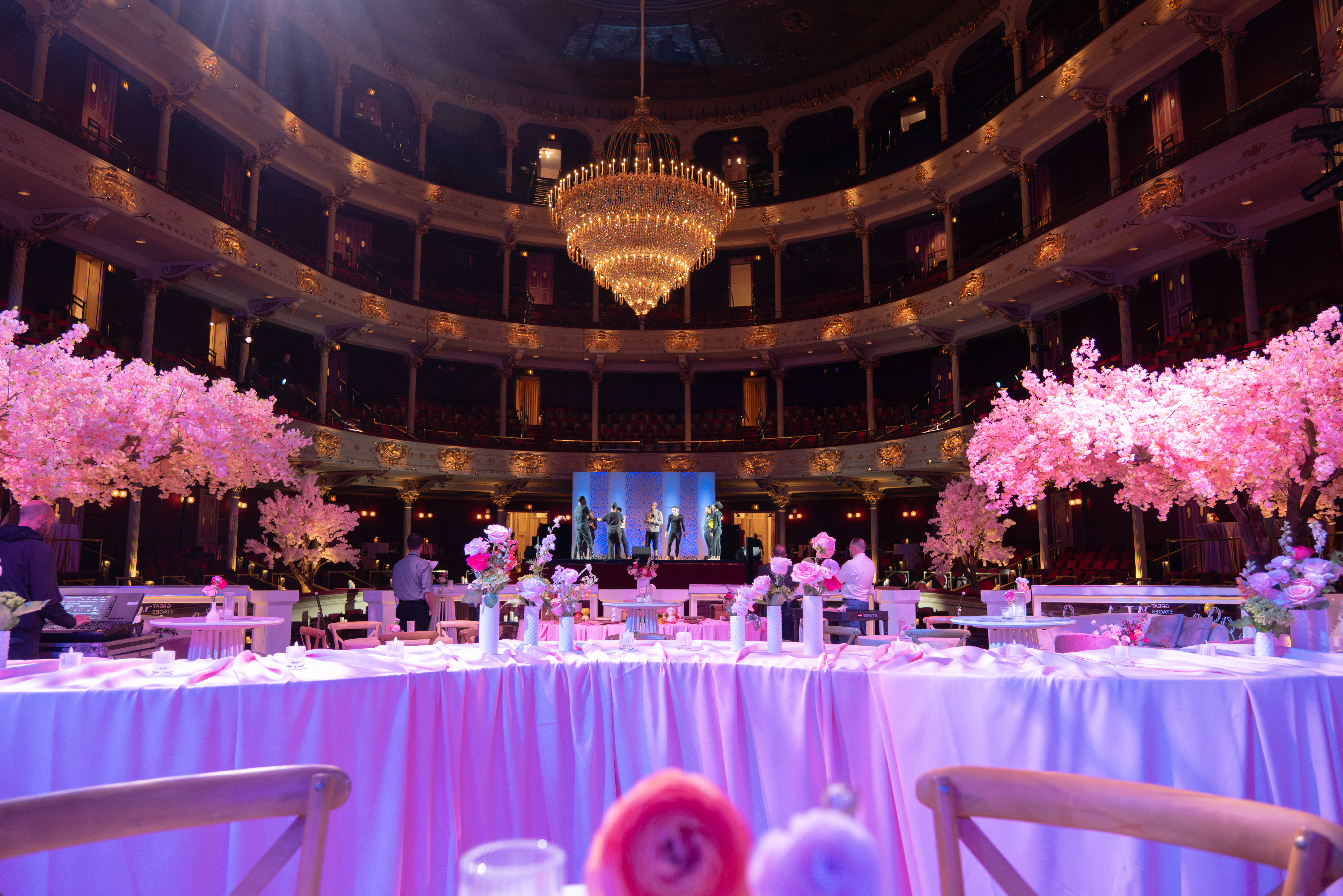
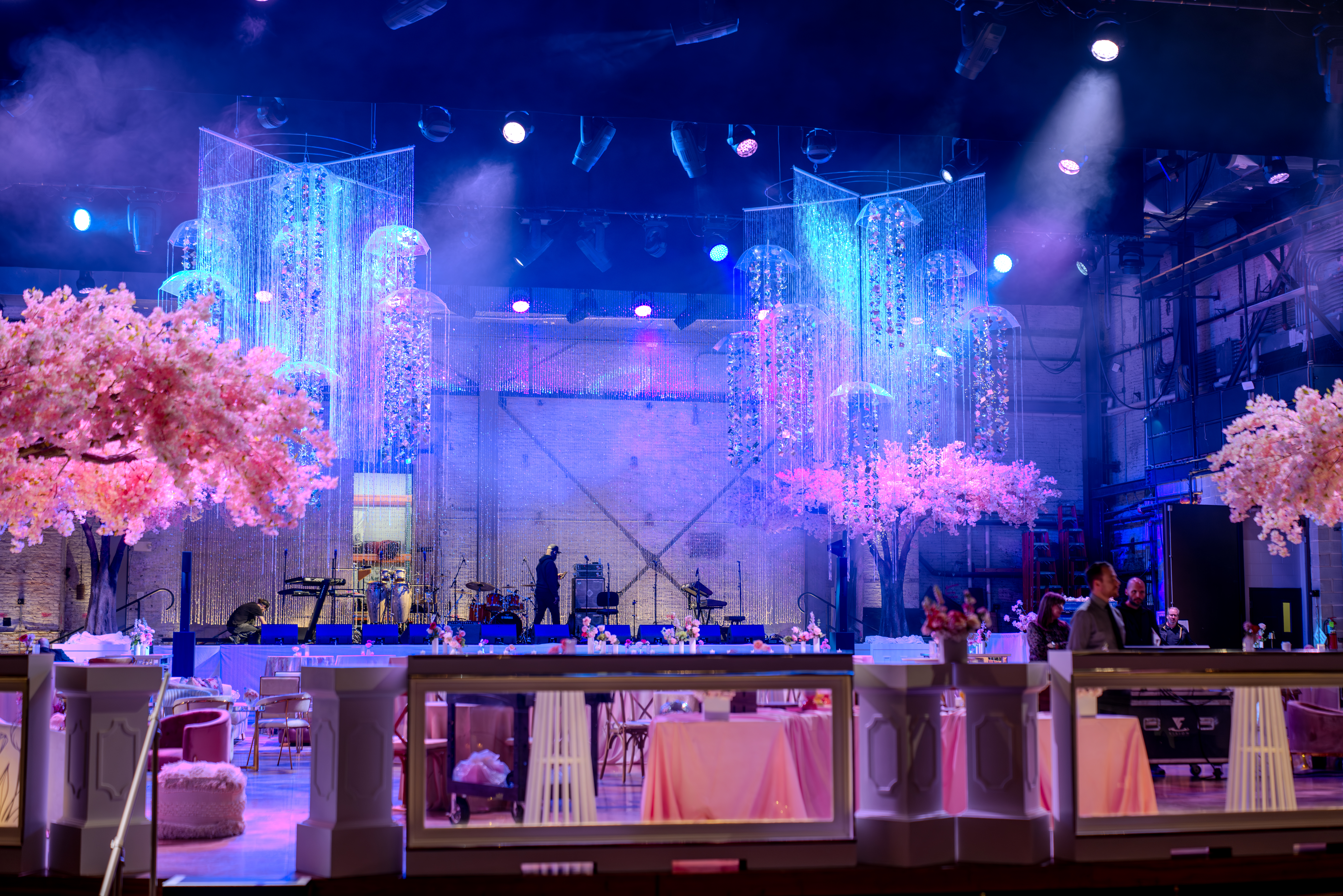
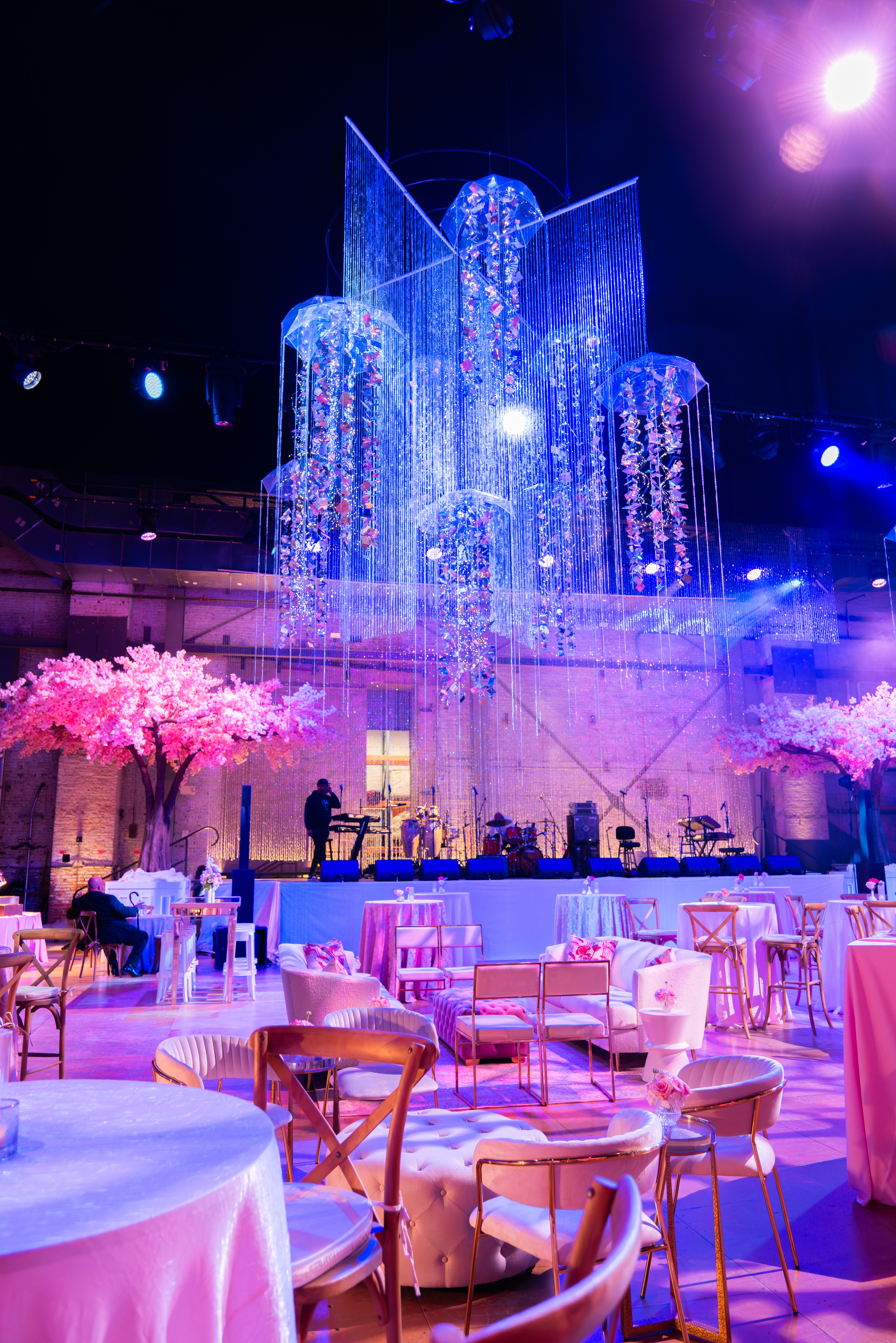
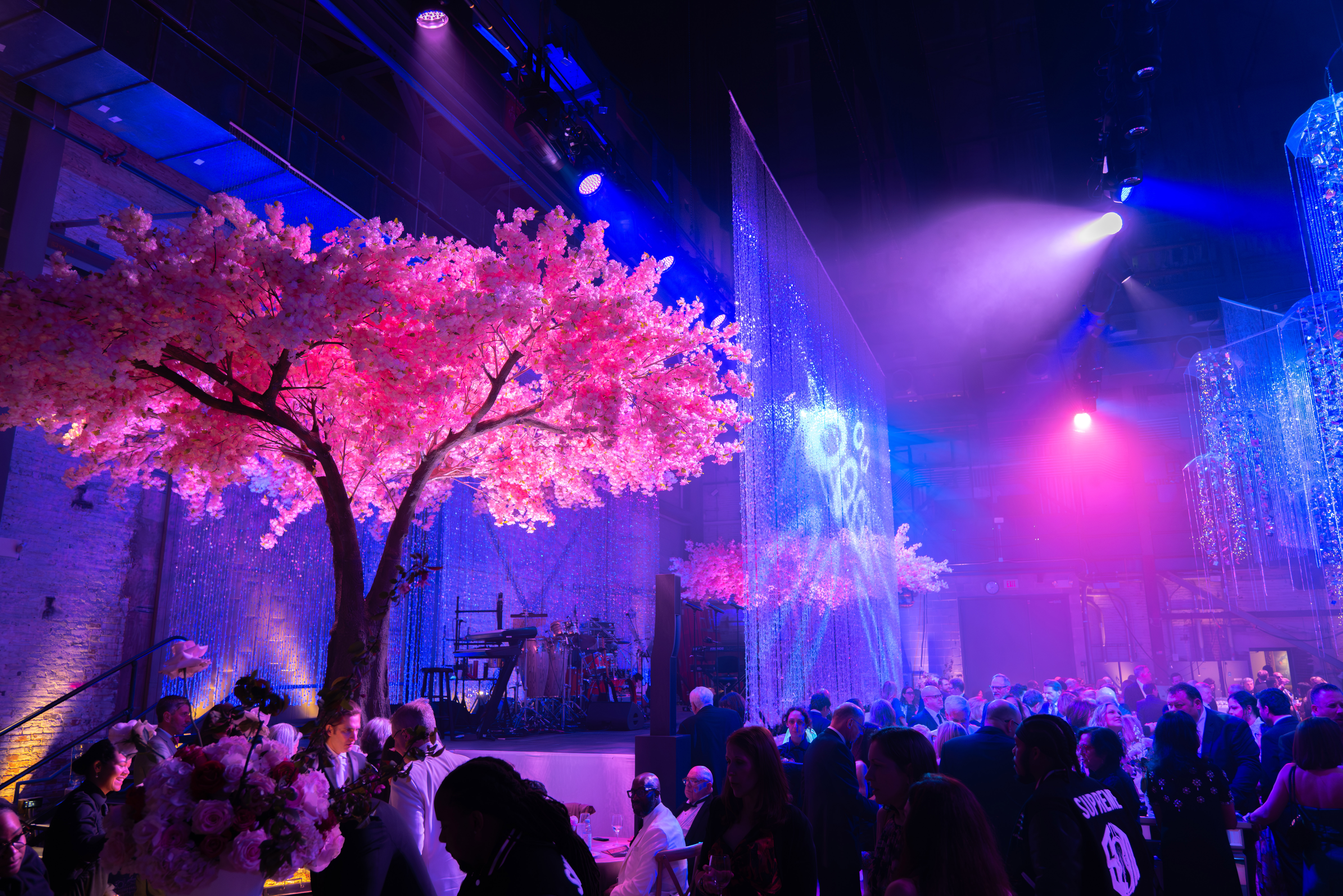
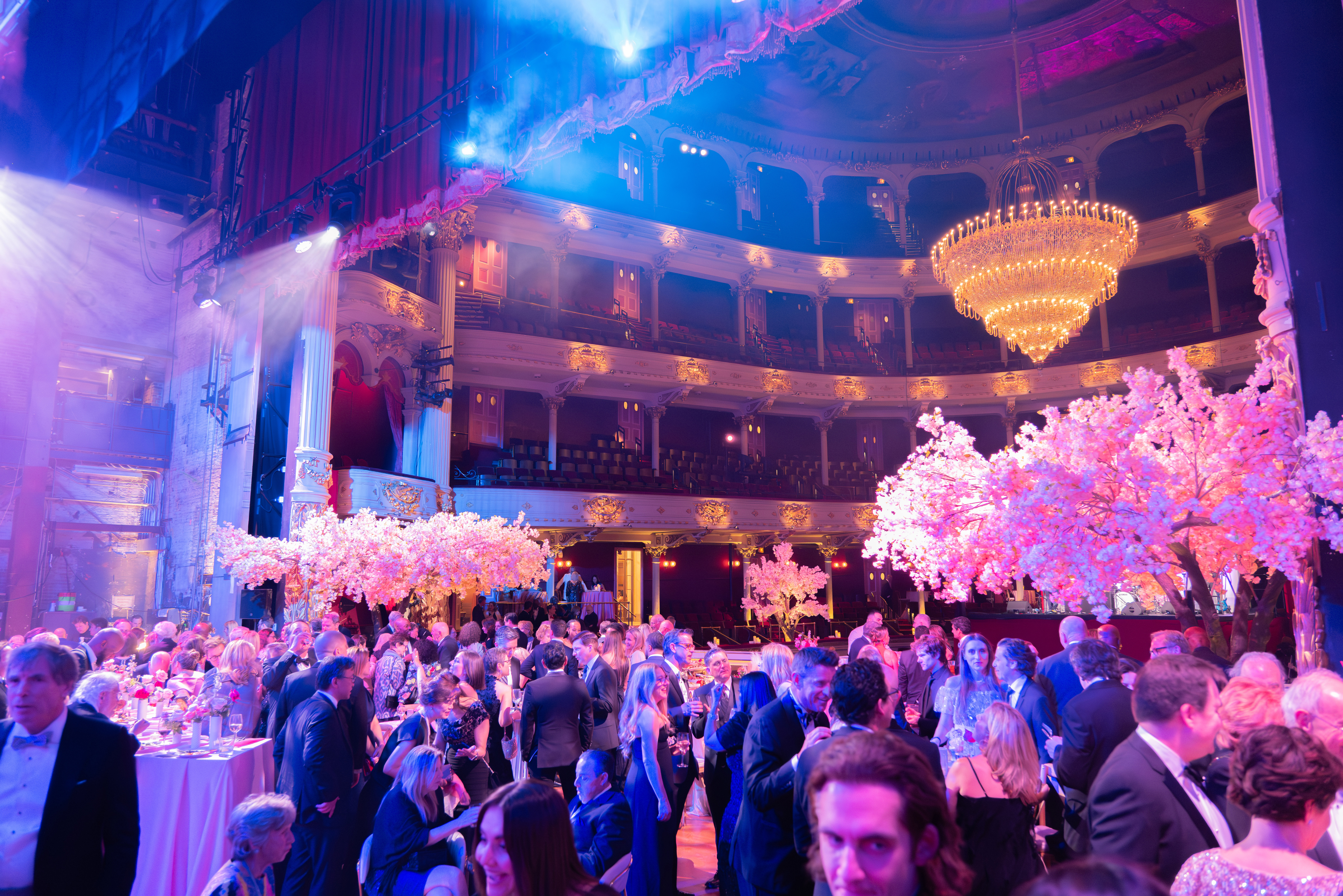
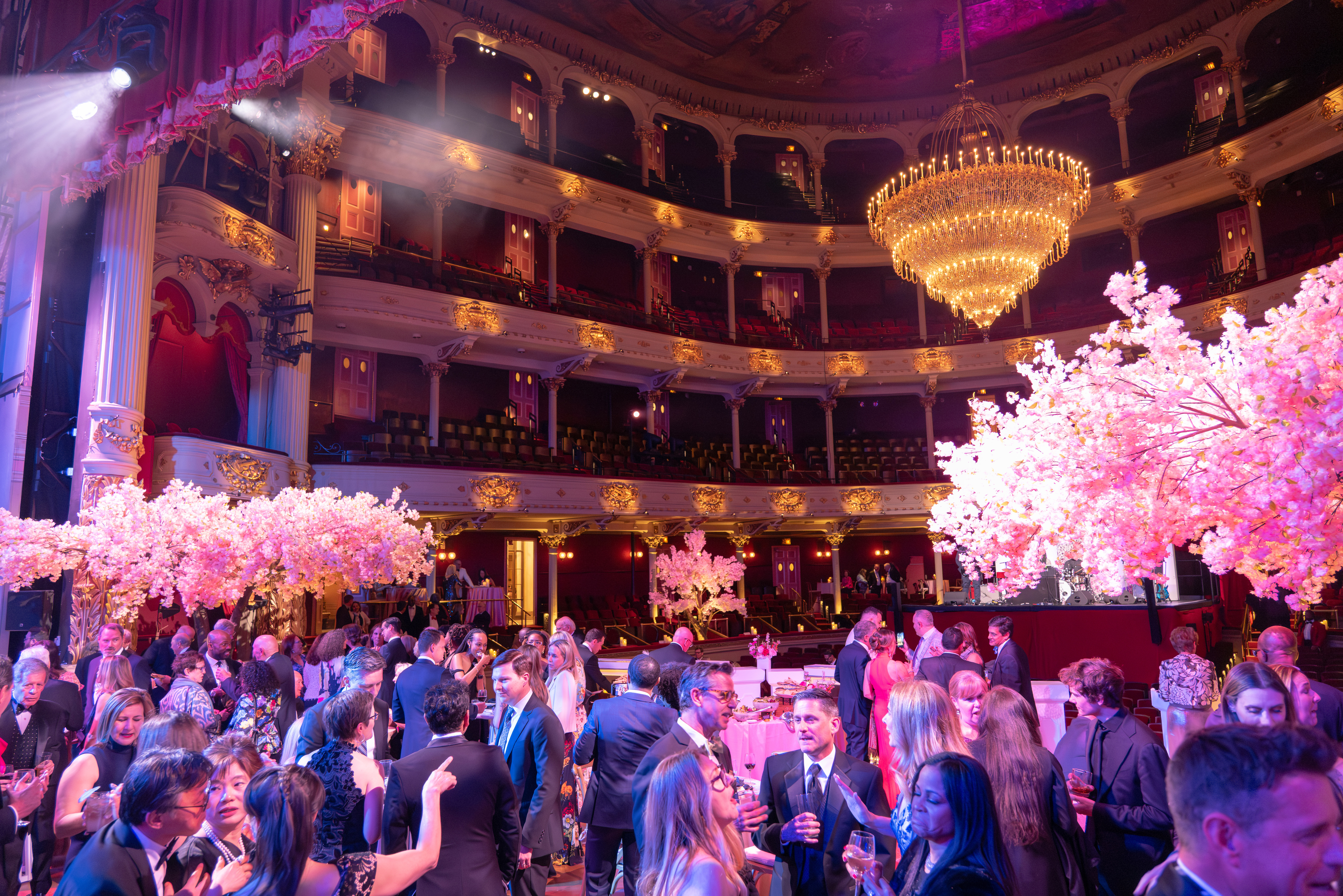
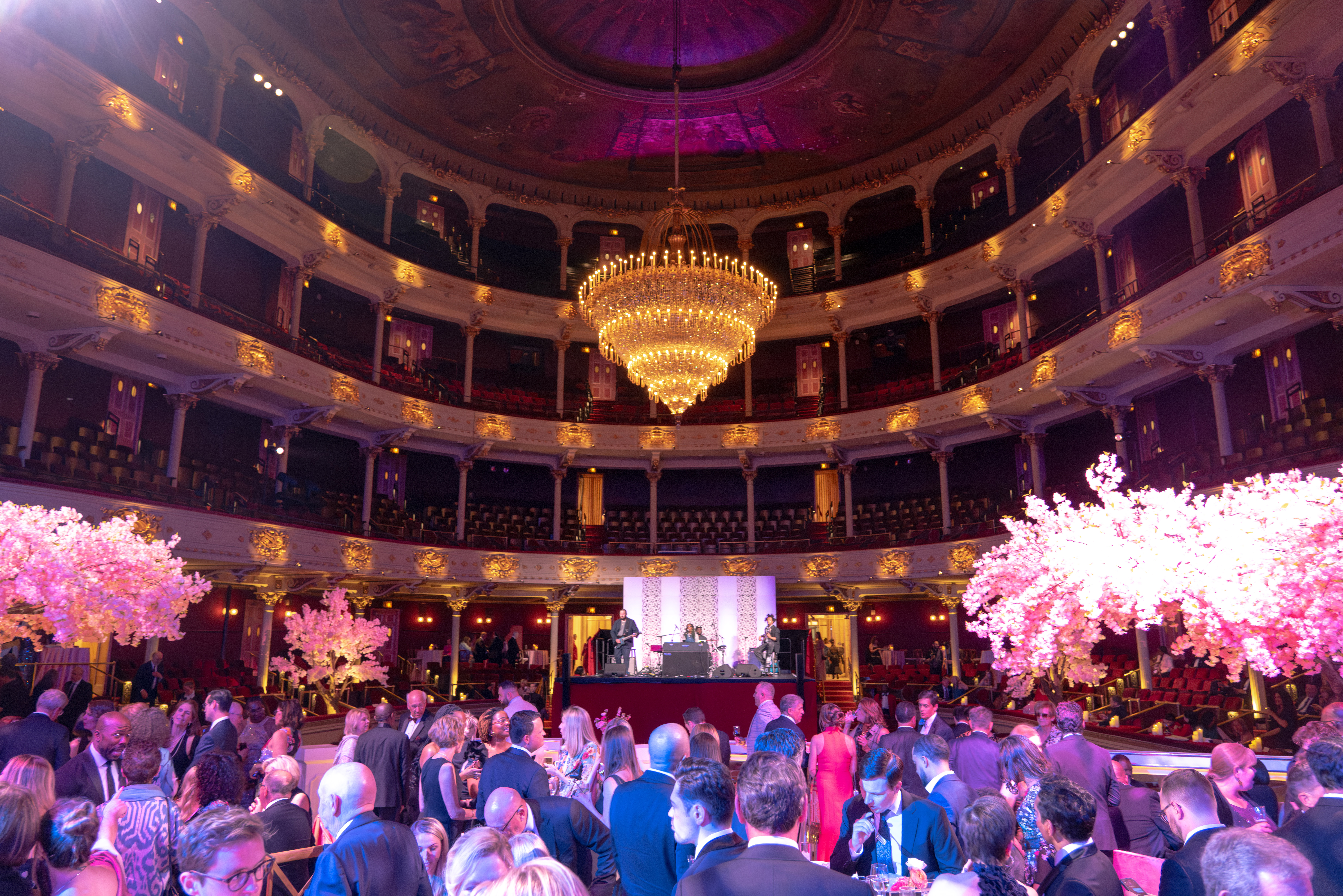
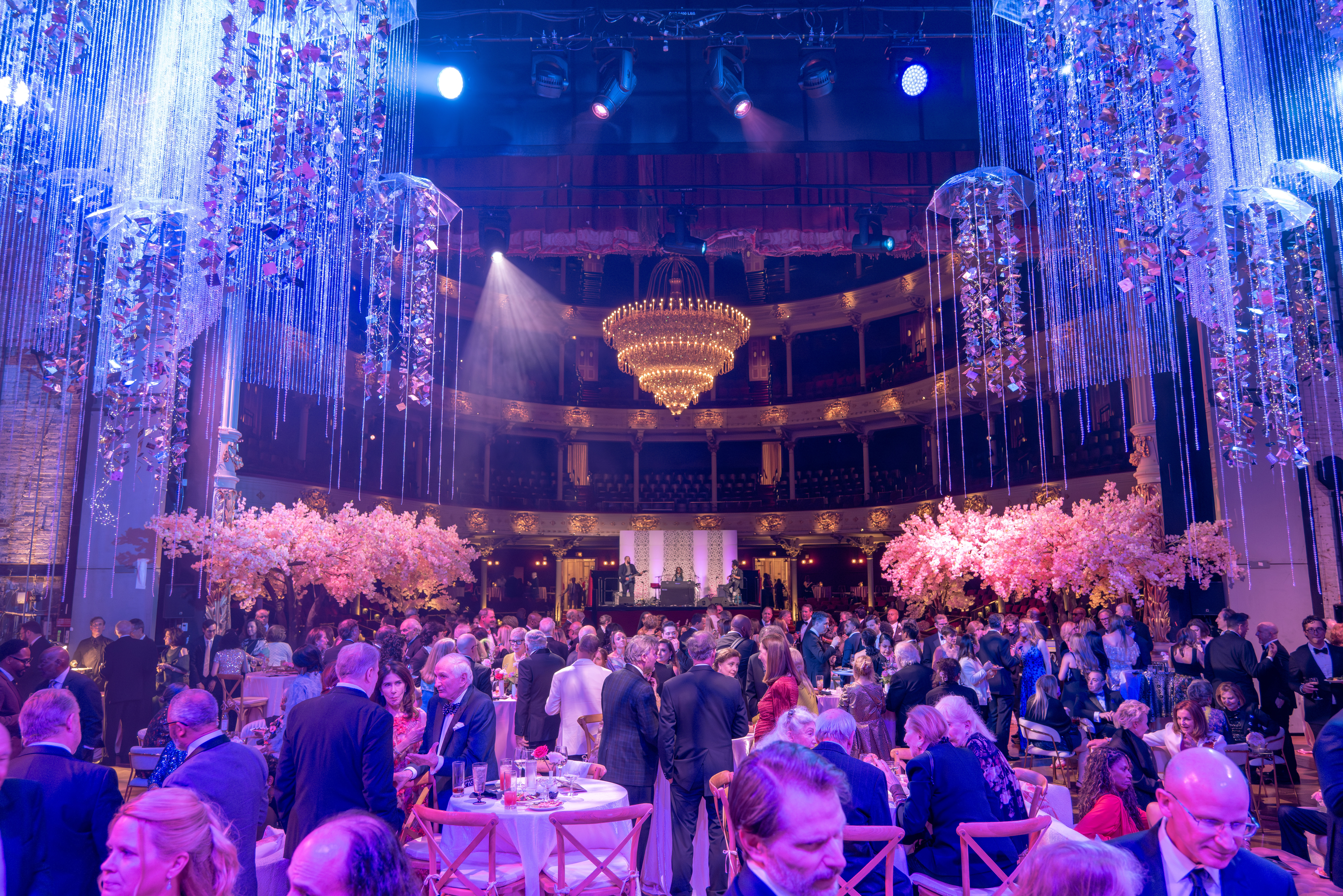
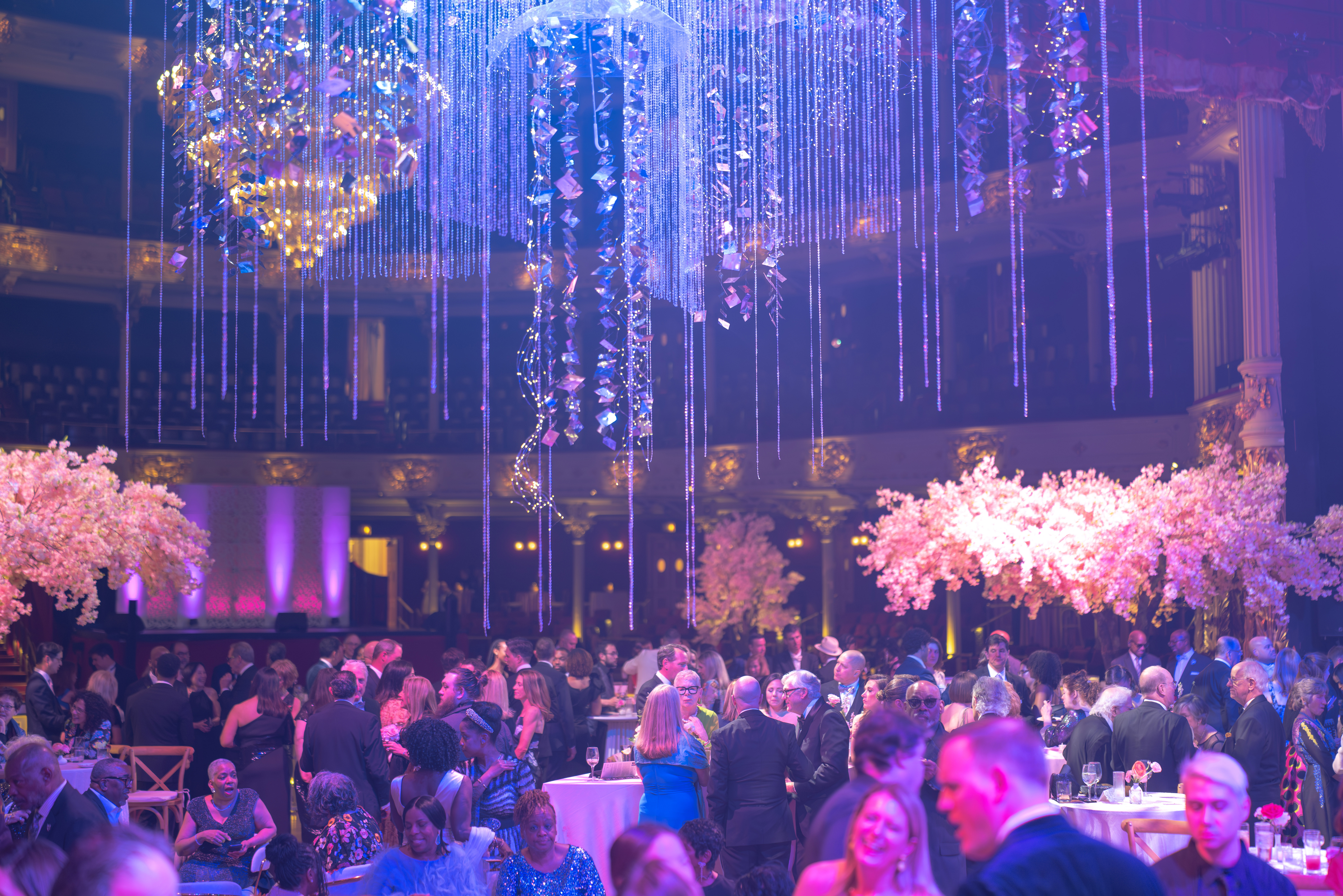
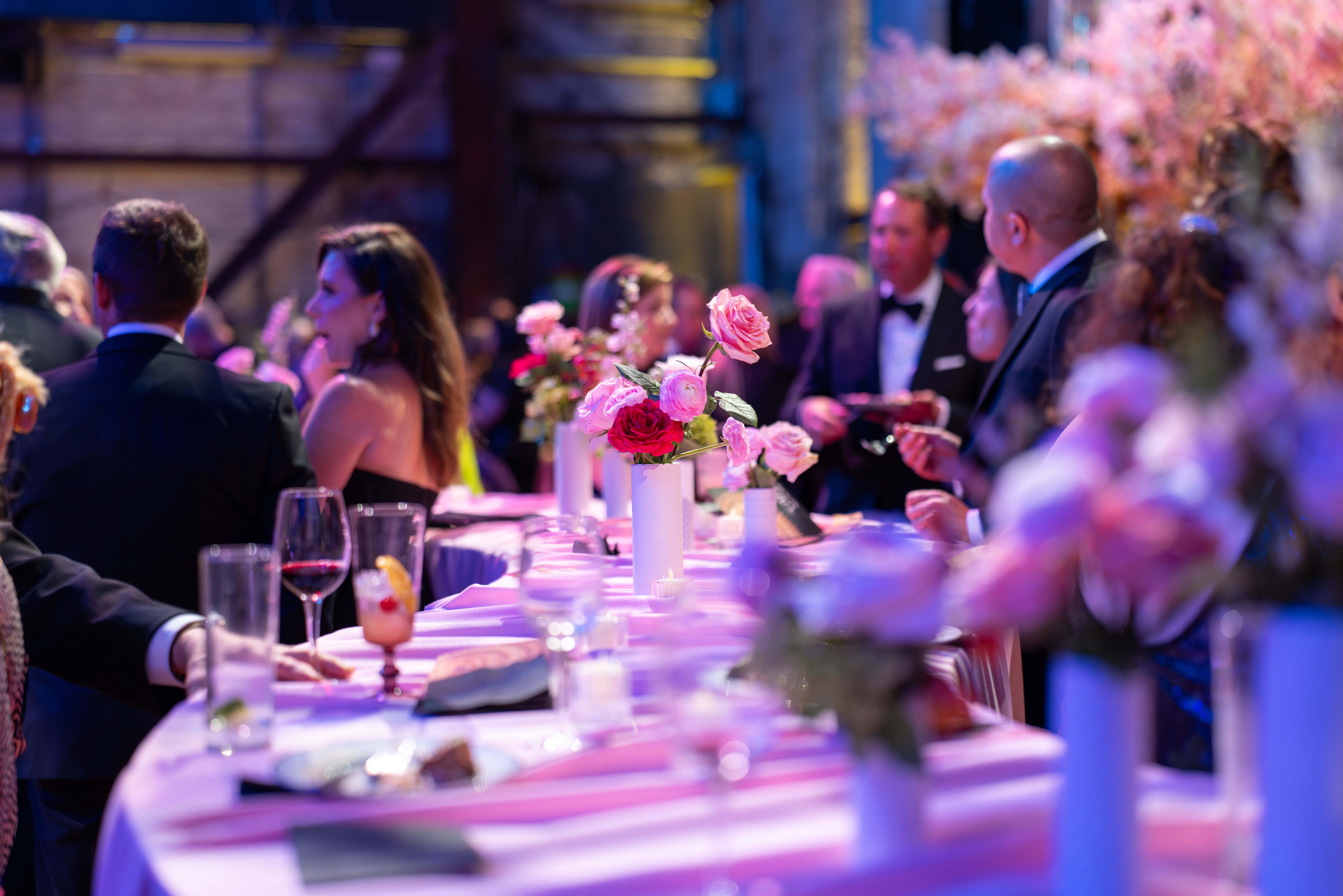
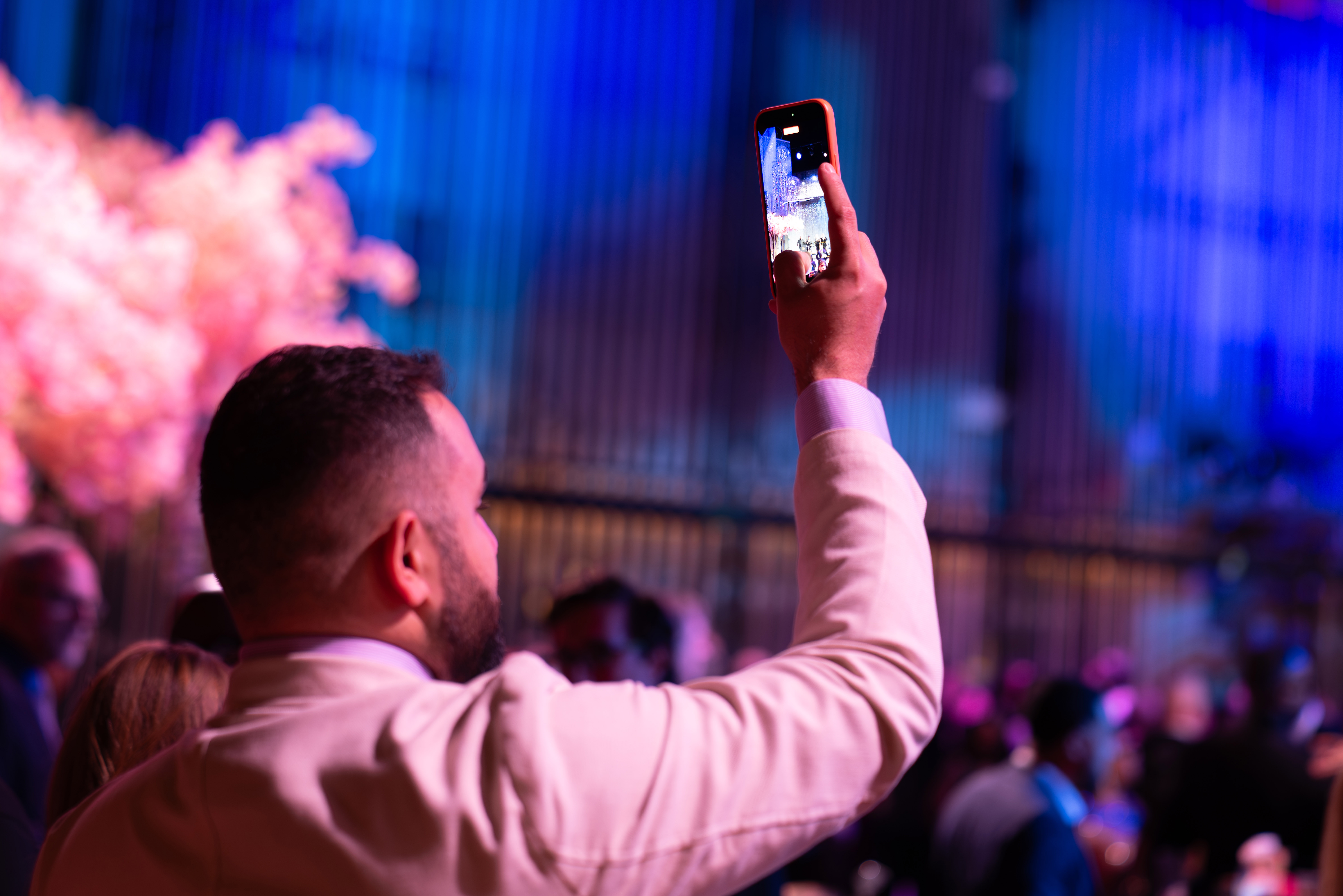
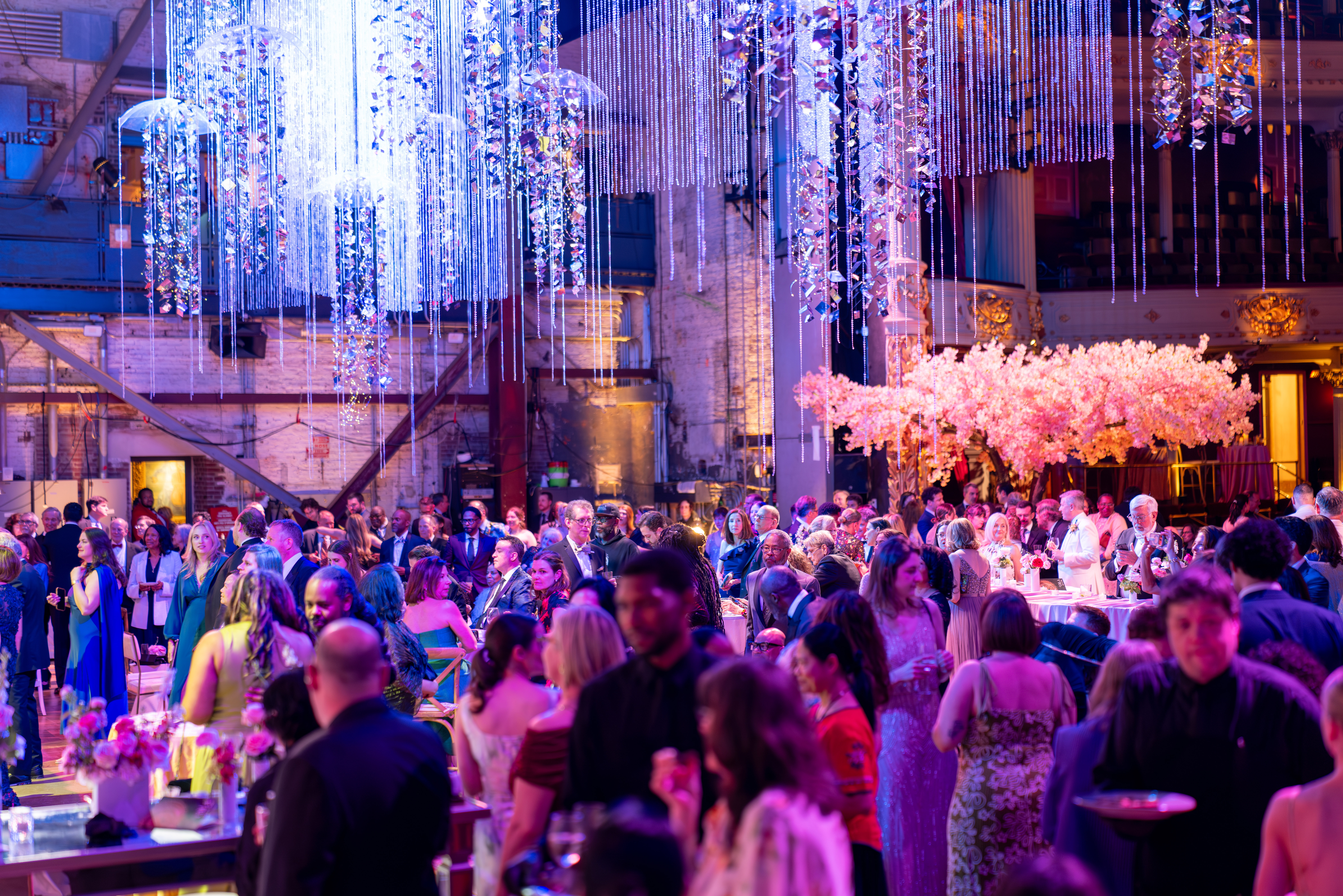
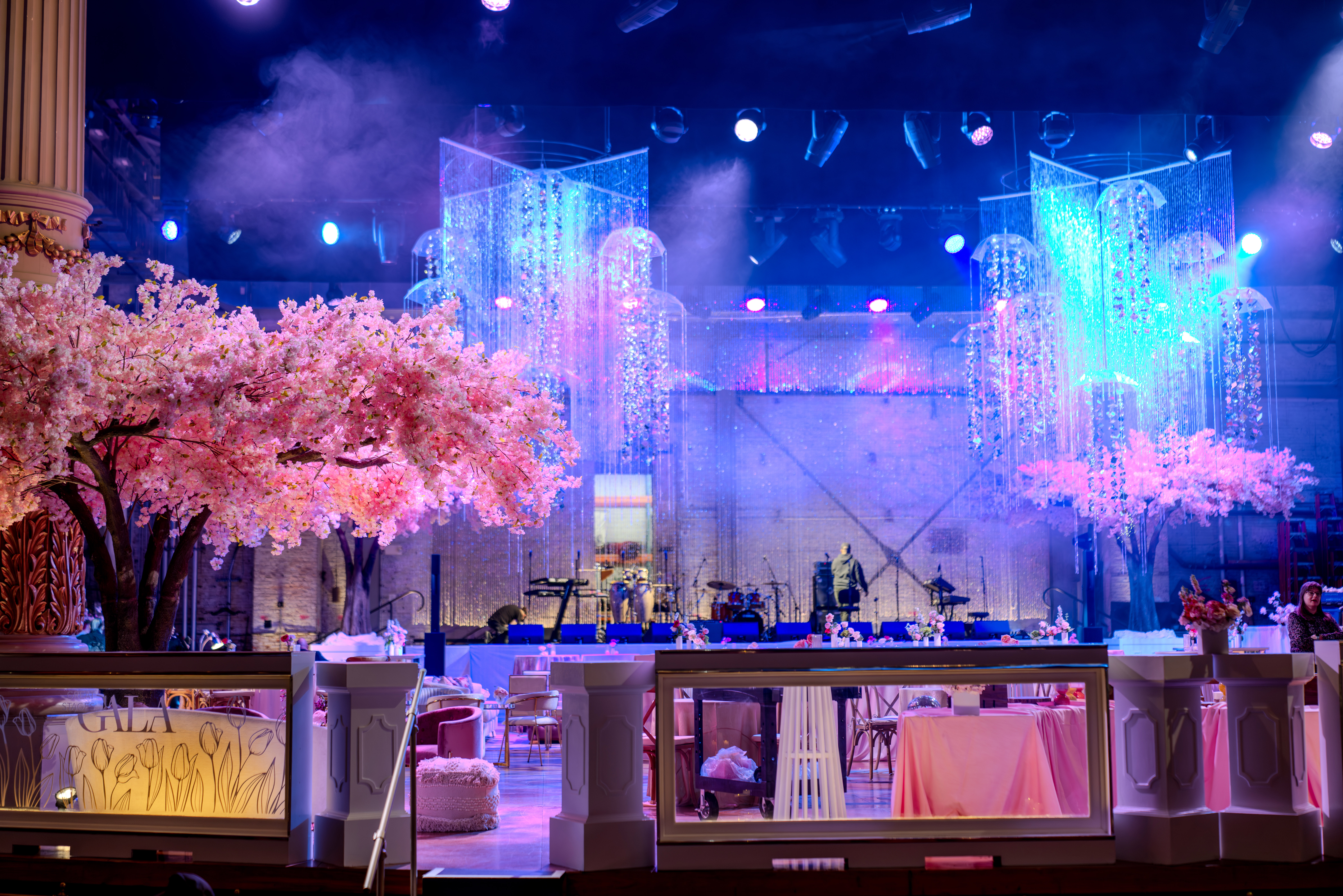
All of it set within an environment shaped by the floral and décor design of Penncora Productions —layered, textural, and quietly commanding—bringing cohesion to the room without ever interrupting its movement.
Nothing felt static. Nothing felt staged.
The experience moved.
And that movement carried through the entire evening.
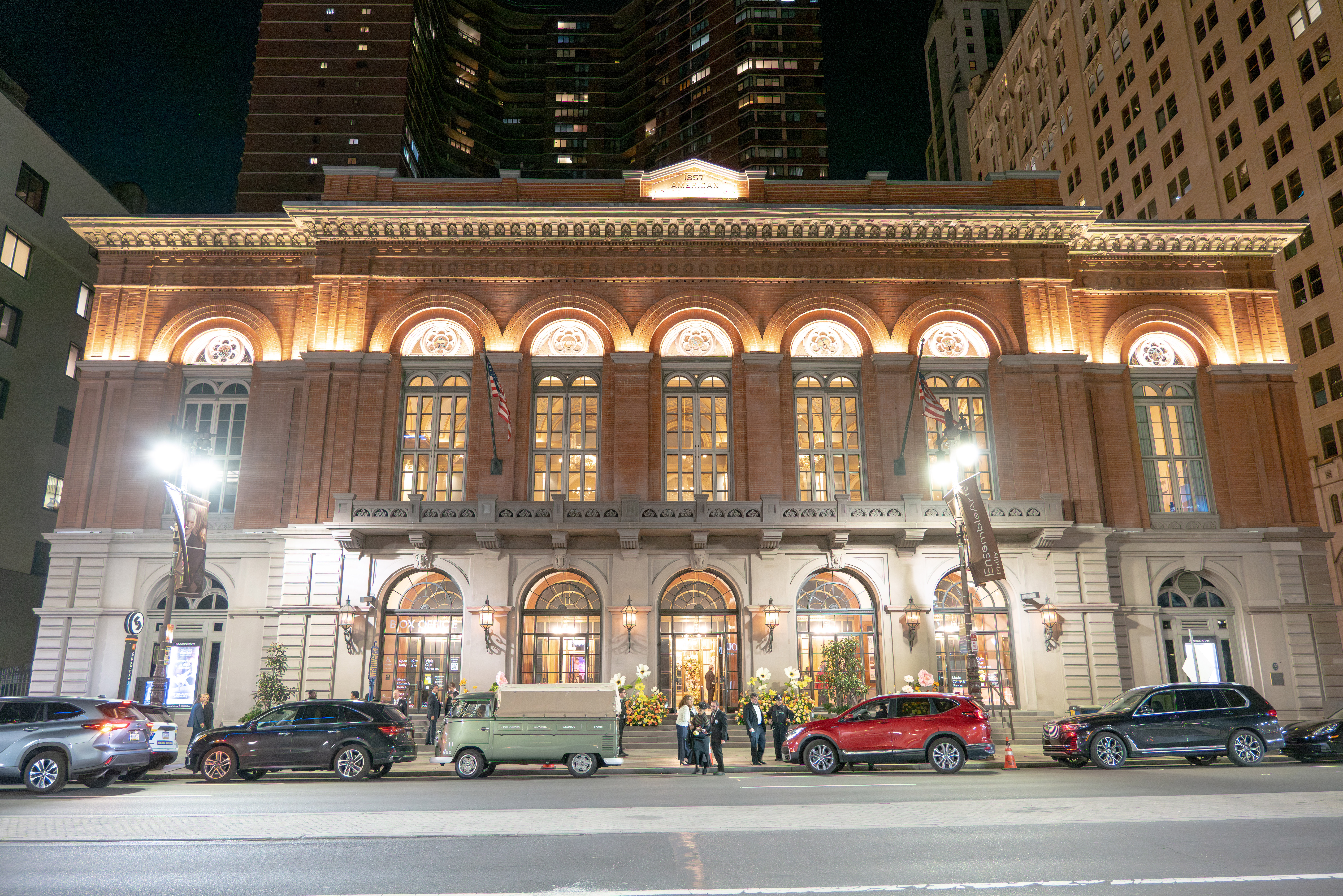
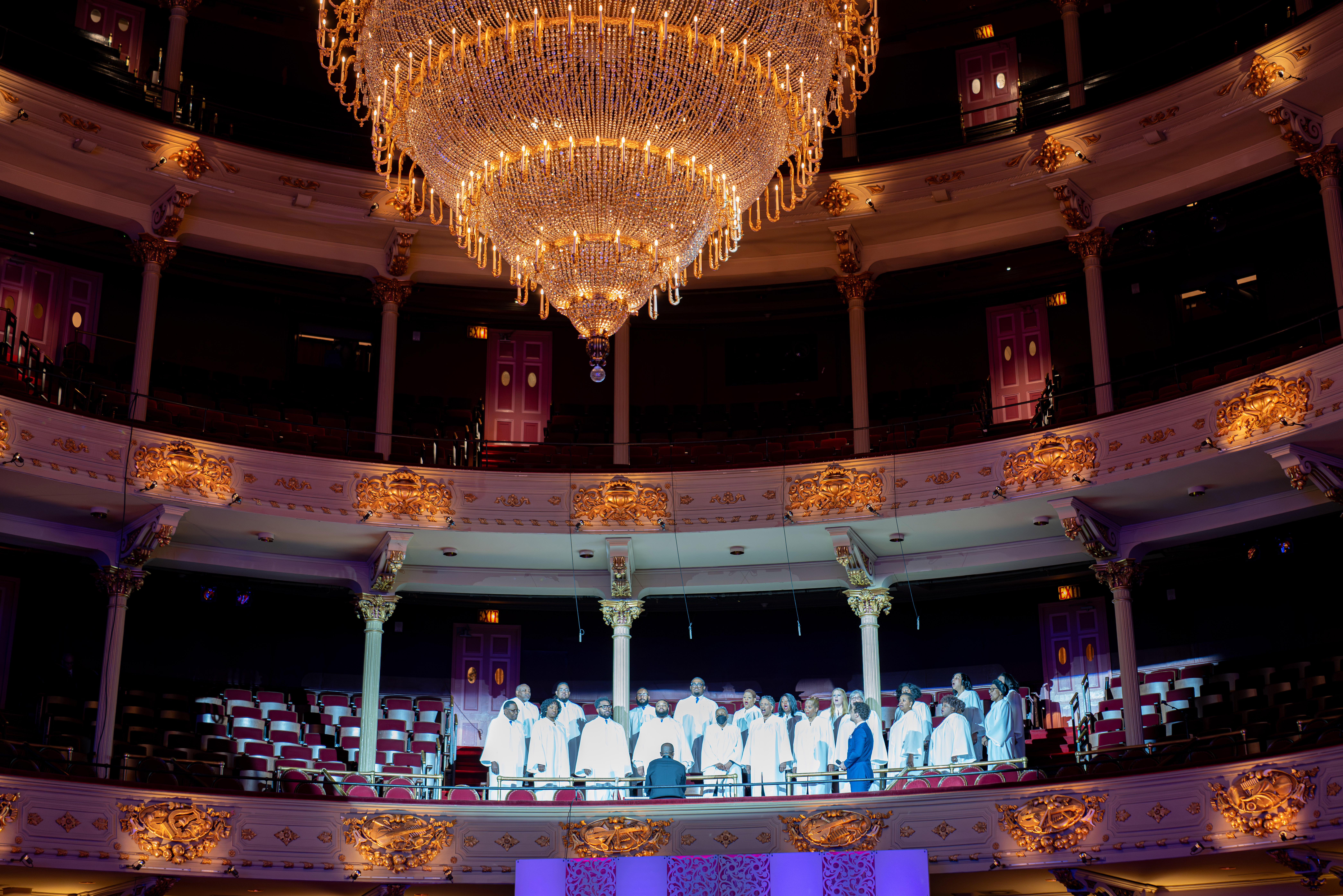
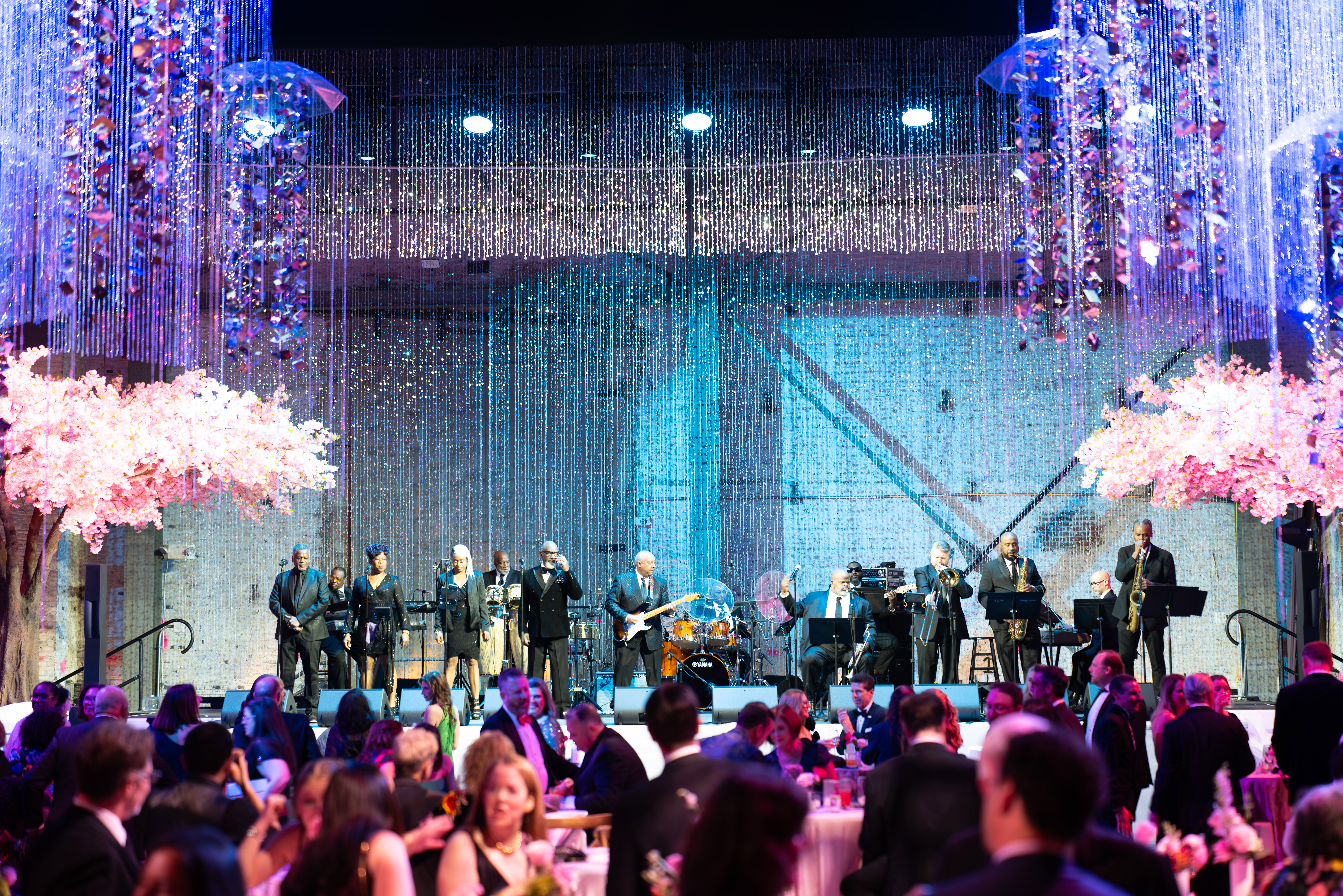
As the night progressed, the format expanded rather than reset. Guests entered the next phase of the evening without friction—no hard transitions, no interruption to pace—just a continuation of energy, now set within the Academy of Music.
Here, the structure opened up.
Not into a traditional plated dinner, but into a layered, multi-station environment designed for movement and return. The culinary direction reflected that—globally influenced, balanced, and intentionally varied.
The Spice Route Station anchored one side of the experience with slow roasted za’atar chicken, ancient grain tabbouleh, chickpea salad, and a full spread of hummus, muhammara, and warm breads—flavors that felt vibrant but grounded.
Opposite, the Supper “Al Fresco” station brought a more Mediterranean approach—herb crusted hanger steak with basil gremolata, grilled jumbo shrimp with lemon vinaigrette, roasted salmon, and seasonal vegetables—clean, composed, and built for repeat engagement.
Additional stations extended the experience into the lobby and surrounding spaces, ensuring that no single point became the center—everything working instead as a network of offerings that supported flow.
Bars followed the same philosophy.
Rather than centralizing service, the environment was supported by multiple bar configurations—mainstage bars, specialty cocktail bars, and flexible lobby bars—each positioned to maintain pace and eliminate friction.
As the night continued, the tone shifted again—this time toward something more celebratory.
Dessert didn’t arrive all at once. It revealed itself.
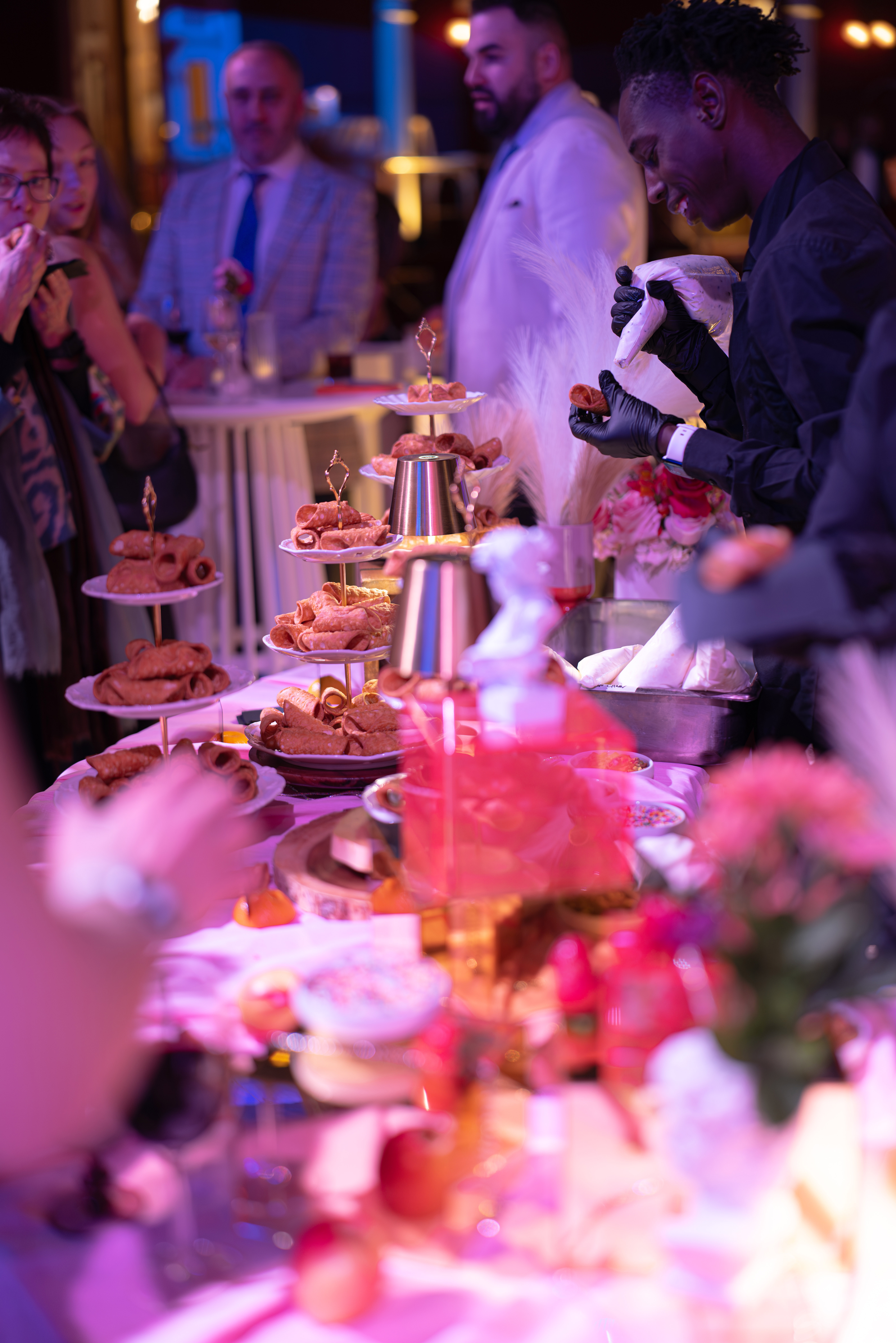
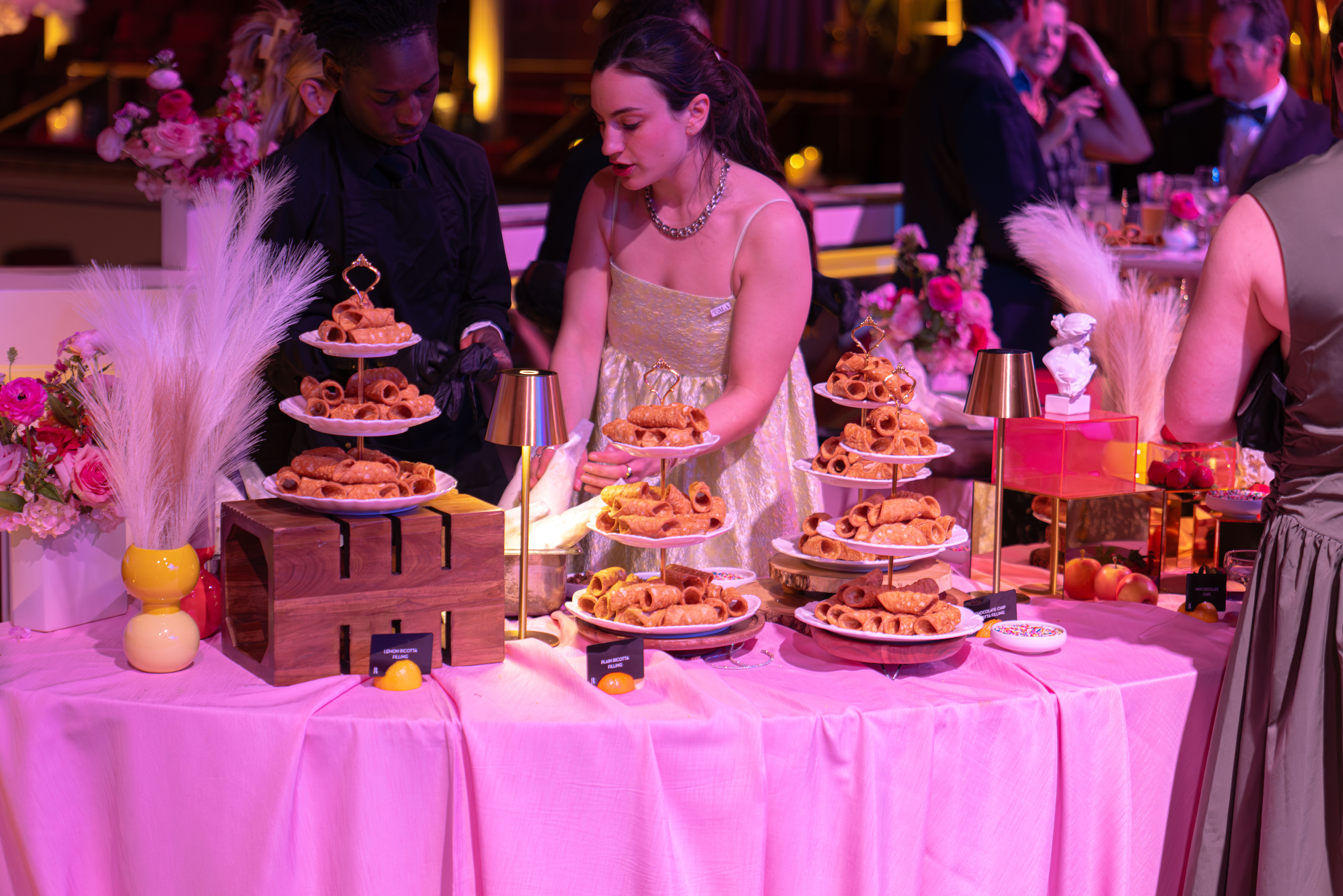
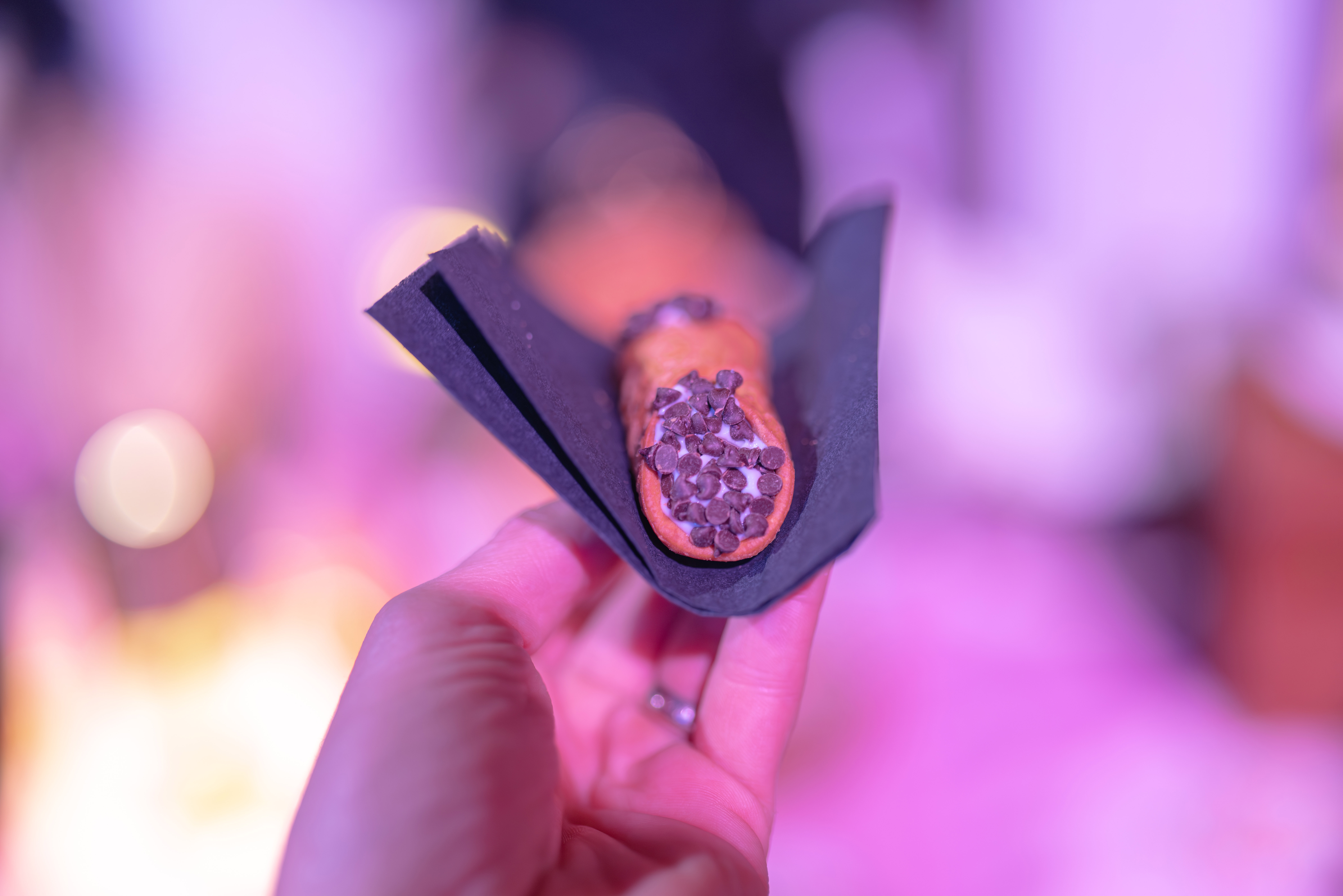
Positioned on stage, a cannoli station became a natural point of gravity within the room—each cannoli piped and finished to order with a selection of ricotta fillings and toppings, inviting guests into the process without ever slowing the pace of the evening.
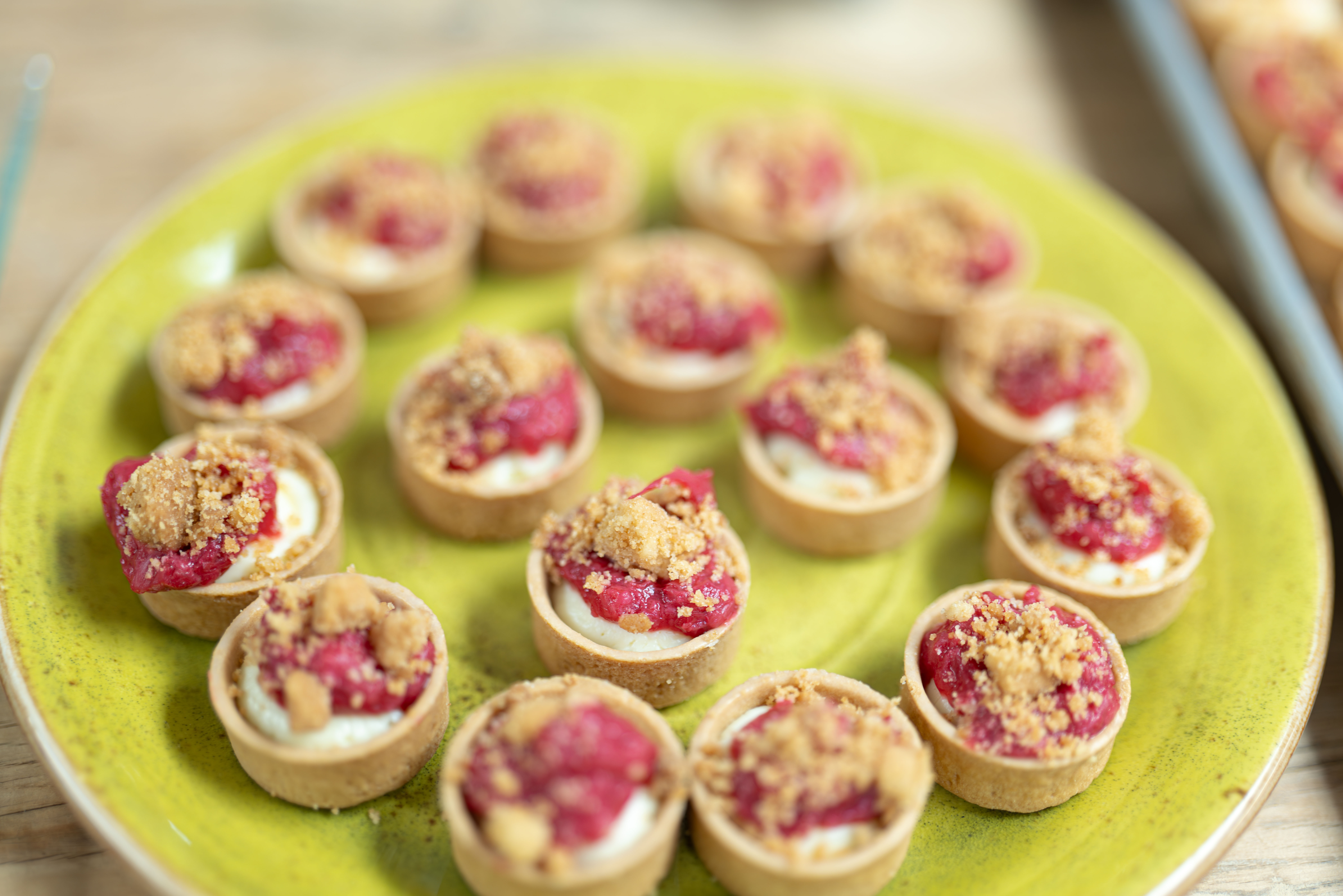
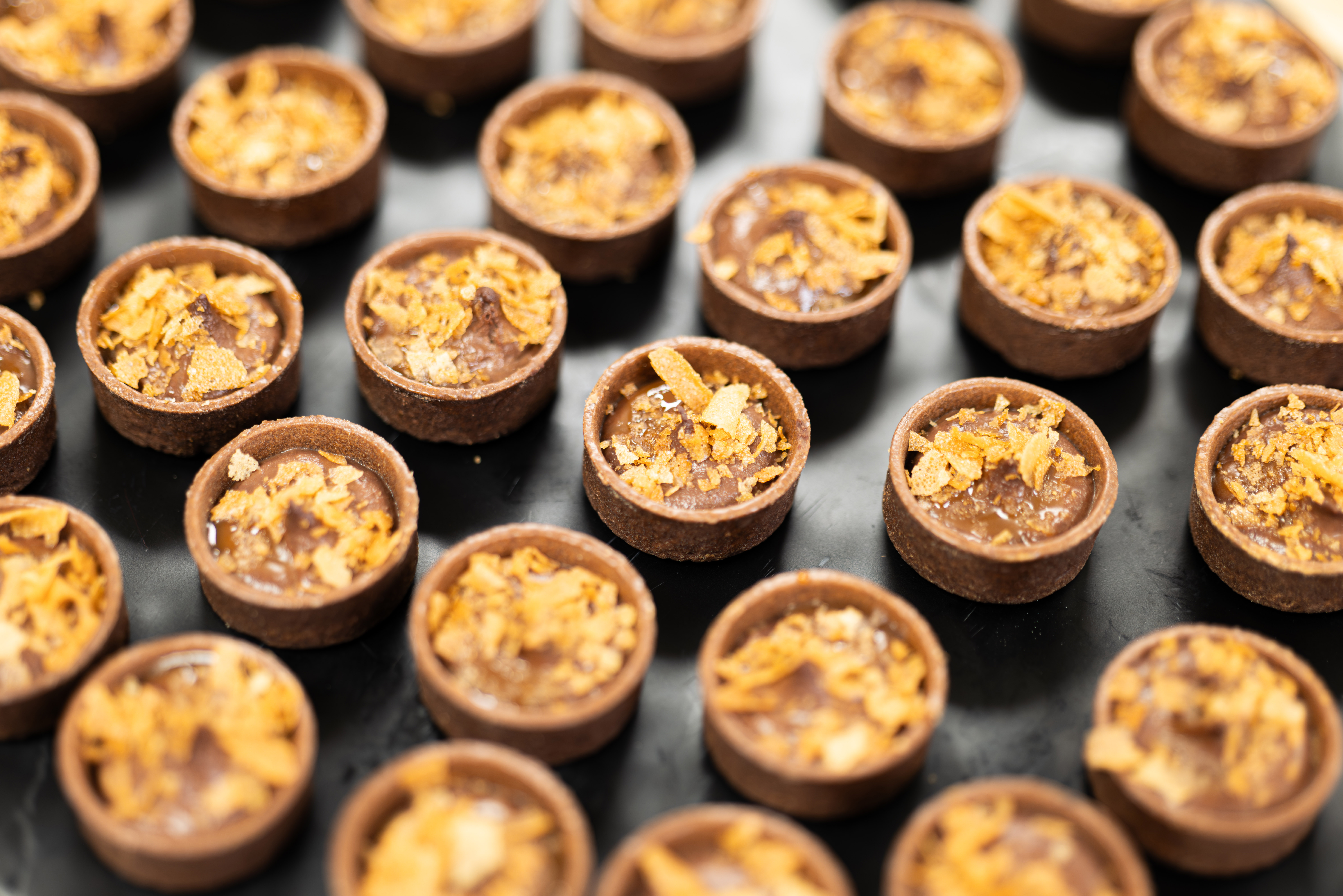
Alongside it, passed desserts—halva parfait, strawberries with rose water, strawberry rhubarb tarts, and chocolate tarts—extended the experience without interrupting the flow of the room.
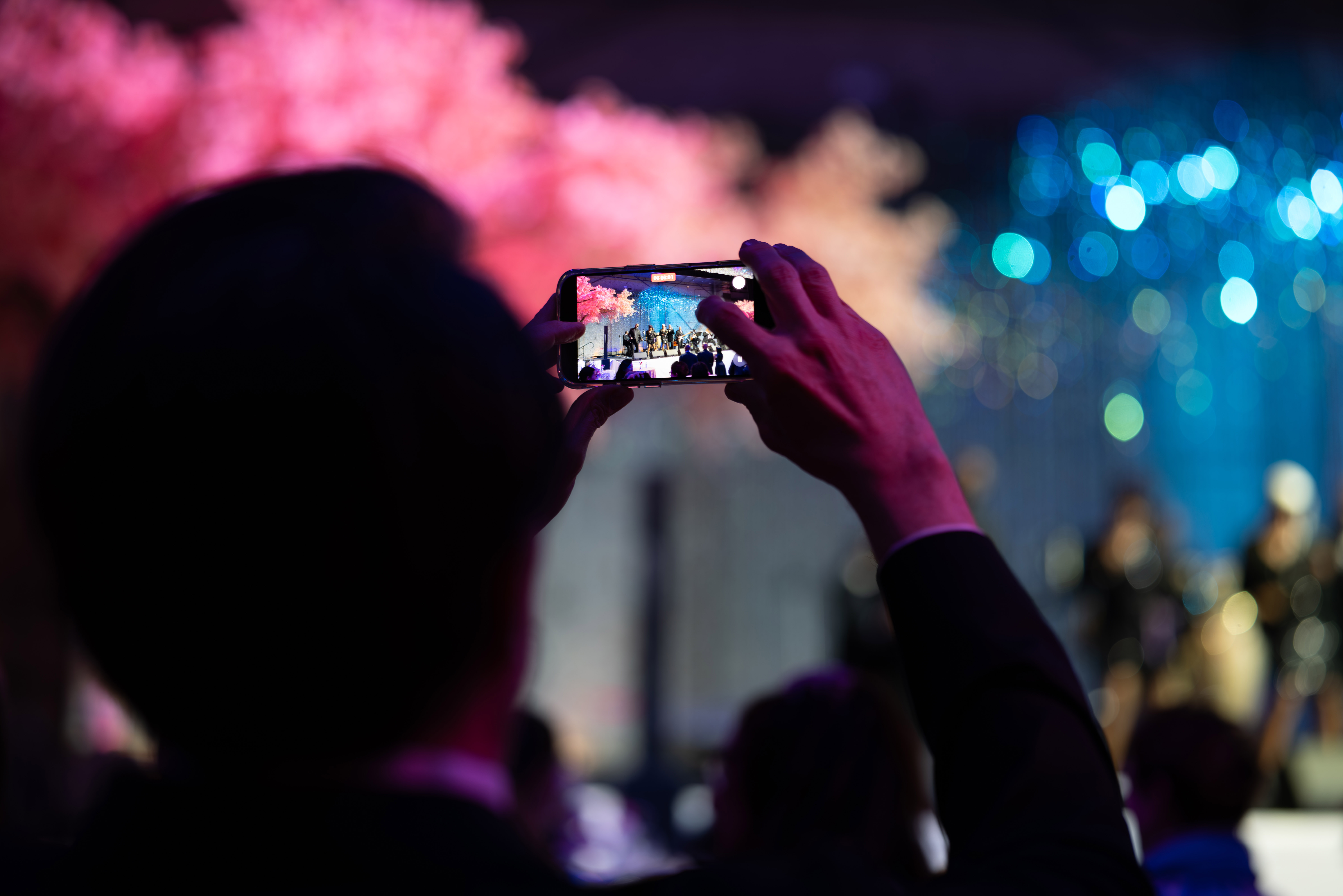
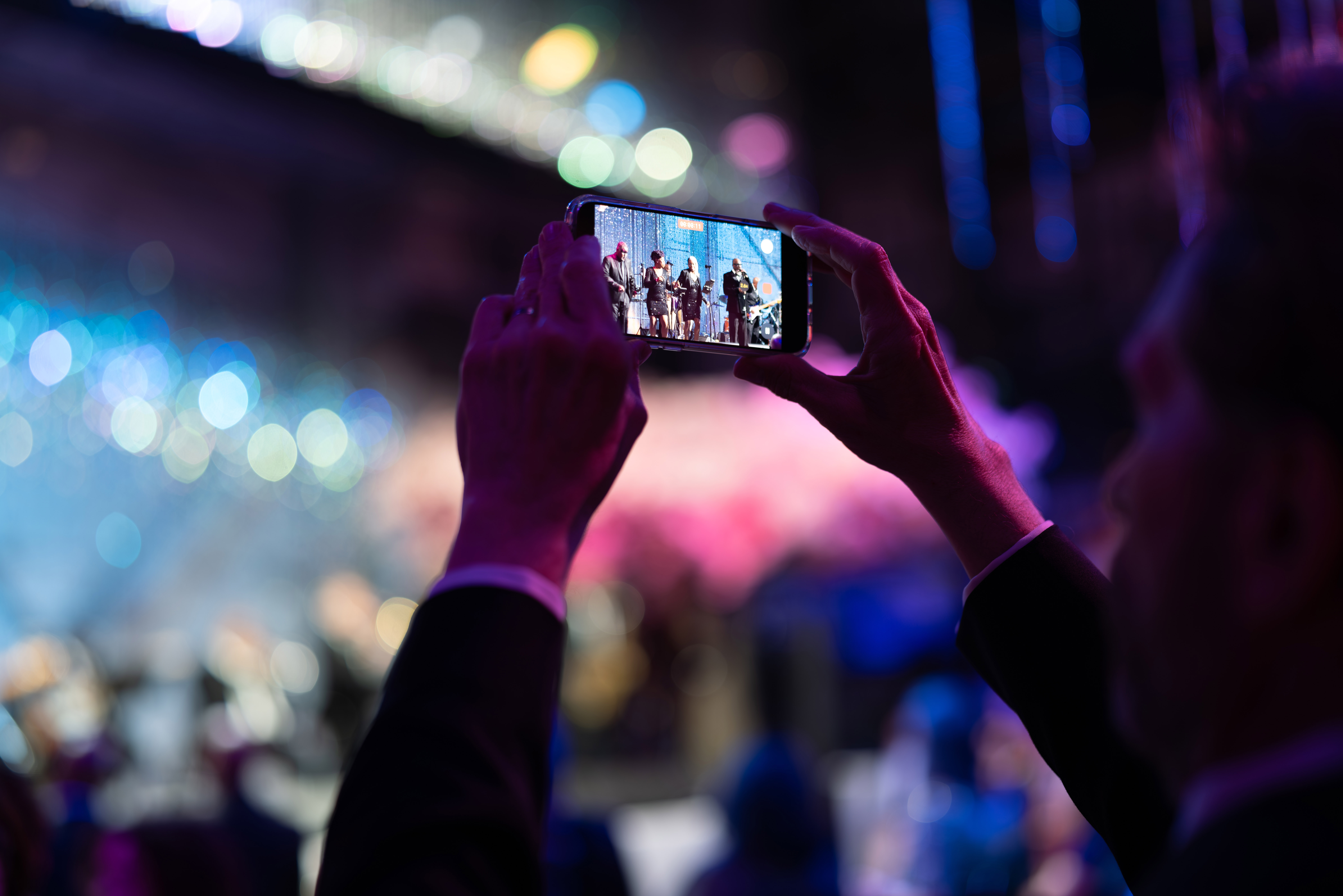
What defines a night like this isn’t one single moment. It’s the accumulation of them. A conversation that turns into a new connection. A performance that holds the room still. A shared recognition of why the arts matter in the first place.
The Great Stages Gala doesn’t end when the last guest leaves. Its impact continues—in classrooms, on stages, and within the communities that rely on access to the arts. It continues in the preservation of historic spaces like the Academy of Music, and in the opportunities created for the next generation of artists and audiences.
It’s a reminder that the arts don’t sustain themselves. They are supported by people who believe in their value—and who show up to ensure they continue.
Floral & Décor Design: Penncora Productions
Explore Philadelphia Venues
Museums, galleries, rooftops, and gardens—whatever the occasion, wherever the venue, our team brings the experience, creativity, and expertise to deliver exceptional events in the setting you choose.
RHC Philadelphia offers access to some of the city’s most iconic landmark venues, each rich with history and designed to inspire.

Menus
Our menus are always crafted with a simple yet unwavering ethos – to serve beautiful, honest and elegant food.
On our mission to present the very best, we source the finest produce and add our creative flair to bring something truly unique to every guest’s plate.
